GUIDE · BATTLE STRATEGY
La Noche Triste western Maravilla route
Cortés’s Maravilla is on a 300-year timer, while losing the starting military also causes defeat. Gather Gaia unidades and prisoners to strengthen the force, then avoid the heavily defended eastern causeway. (La Noche Triste, Maravilla, unidades)
Resumen
Cortés’s Maravilla is on a 300-year timer, while losing the starting military also causes defeat. Gather Gaia unidades and prisoners to strengthen the force, then avoid the heavily defended eastern causeway. (La Noche Triste, Maravilla, unidades)
Plan and execution
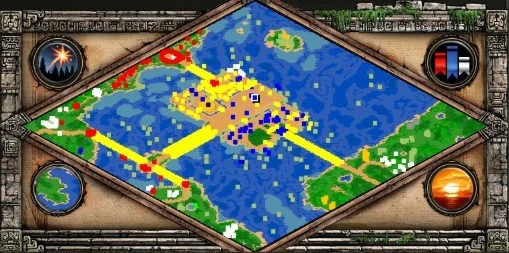
Move south first to collect nearby soldiers and Houses, then turn north for another group and the Monje available on Estándar. Once the escort force is ready, complete the prisoner objective. Approach Tenochtitlan from the west, clear one route with the recruits, and enfoque the Maravilla before the timer expires. Fortaleza the original unidades out of trades that do not open the assault path. (Monje, Castillo, Fortaleza, Maravilla)
Risks and adaptation
The Maravilla deadline and the starting-army loss condition are separate threats. Avoid trading away the original troops for optional territory, and do not use the eastern approach unless you can handle the Castillo, Scorpions, and Arbalesters guarding it. (Maravilla, comerciar, unidades, Castillo)
- Enfoque
- Prisoner rescues and timed objective pressure
- Elemento distintivo / categoría
- Plan and execution
- Edición / contexto
- Age of Empires II system
- Región
- Battle strategy
- Clasificación
- Estrategias de combate