GUIDE · BATTLE STRATEGY
Pax Mongolica bridge-and-Maravilla response
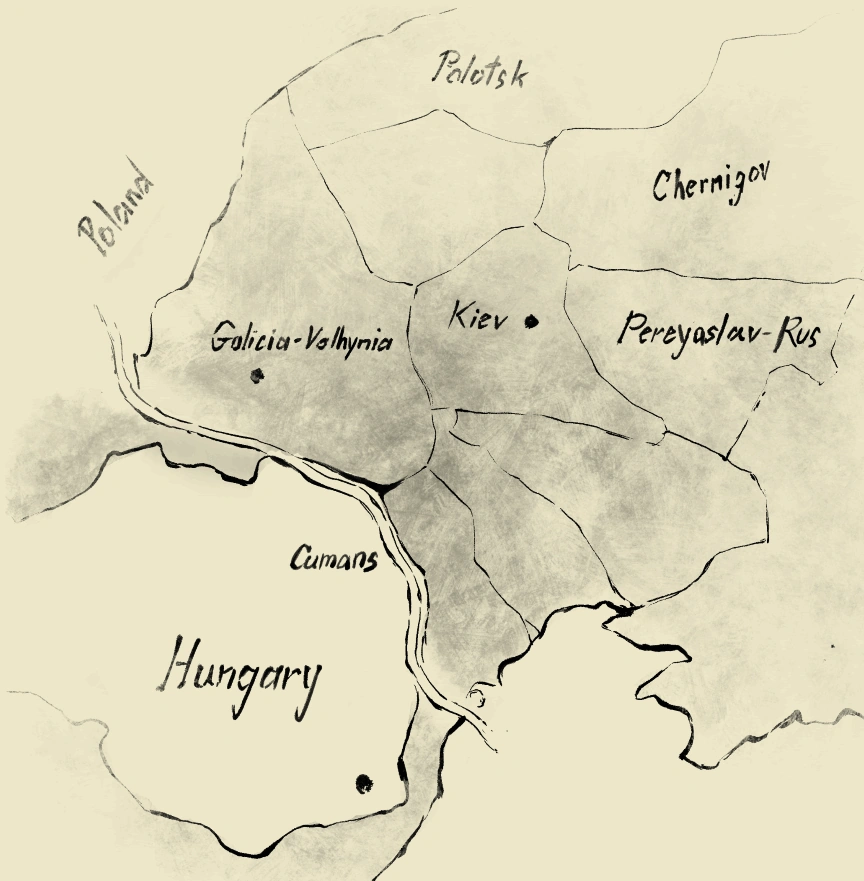
The opening defense objective lasts forty minutes, but Hungary destroys the bridge after five minutes and starts a Maravilla countdown. Use the early quiet to strengthen the economía and scout another crossing. (Pax Mongolica, Carrera de las Maravillas)
Resumen
The opening defense objective lasts forty minutes, but Hungary destroys the bridge after five minutes and starts a Maravilla countdown. Use the early quiet to strengthen the economía and scout another crossing. (Pax Mongolica, Carrera de las Maravillas)
Plan and execution
Develop the economía and fortify the bridge approach so the first Magyar ataque is funneled through a controlled front. Scout the partially frozen river for a crossing before the bridge falls. When Hungary’s Maravilla is underway, move asedio and the main army to the nearest safe crossing and ataque the Maravilla first; then continue toward the required Castles and Centro urbanos. Use Subotai’s reinforcements as support, not as the sole answer to the timer. (ataque, Maravilla, Maravilla)
Risks and adaptation
The arriving reinforcements are limited and may be too late to stop the Maravilla by themselves. Do not spend todo the opening on walls; secure a crossing route and asedio strength before the bridge is lost. (Maravilla, ataque)
- Enfoque
- Early boom before the river crossing closes
- Elemento distintivo / categoría
- Plan and execution
- Edición / contexto
- Age of Empires II system
- Región
- Battle strategy
- Clasificación
- Estrategias de combate