GUÍA · MAPAS ALEATORIOS
Yin-yang
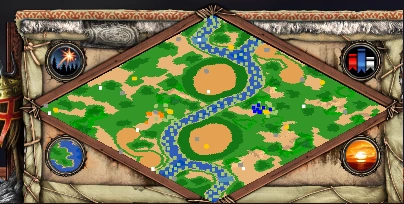
Yin-yang divides the map into contrasting halves that meet along a central boundary. The division shapes where players can expand, how recursos are reached, and which routes bring opposing armies into contact. (expansion)
Resumen
Yin-yang divides the map into contrasting halves that meet along a central boundary. The division shapes where players can expand, how recursos are reached, and which routes bring opposing armies into contact. (expansion)
Tipo de mapa y generación
The central division creates different terrain or access conditions on each side. Players should inspect how the halves connect and whether the boundary blocks movement, funnels it through openings, or leaves a contested strip between bases. (recursos)
Planificación de la partida
A resource-rich side may invite expansion, but crossing the central boundary without scouting risks exposing villagers or army movements. Secure a route through the division and fortaleza a second path in view so a defended front does not trap your forces. (fortaleza)
Cómo usar esta referencia
Explore both halves and mark the connections across their boundary. Choose expansion based on actual resource access, not the map’s visual symmetry. Protect workers on cross-boundary routes and use a reserve force to respond if the opponent attacks through a different opening.
- Enfoque
- Diseño del mapa · Híbrido · Special · Special híbrido
- Elemento distintivo / categoría
- Map resumen
- Edición / contexto
- grupo de mapas
- Región
- Mapa aleatorios
- Clasificación
- Maps
- Características del mapa
- Centro disputado