Trade Route
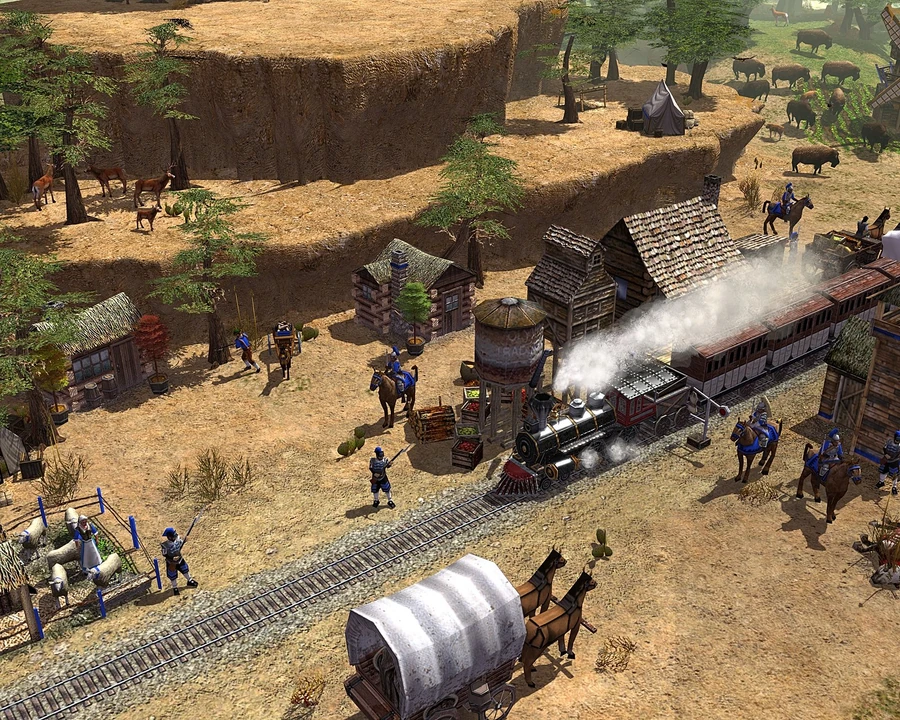
A Trade Route is a map path containing sites where players can build Trading Posts. Controlling route sites can provide recurring rewards and turns the road into a contested line of income, shipment Experience or other map benefits. Its value depends on the route layout and the match’s available sites.
How it works
Trade units travel along the route and interact with controlled posts according to the map and current upgrade state. Route upgrades can change the reward, while Trading Posts at Minor civilization settlements grant access to that ally’s roster instead of simply serving as a route stop. Losing a post can weaken income and open the site to the opponent.
Player decision
Scout the route early and compare its sites with nearby resources and defensible positions. Claim posts that support a real plan, then keep enough presence to prevent easy recapture. Route control can also enable a Trade Monopoly attempt, so monitor the opponent’s posts instead of treating each one as an isolated economic building.
Contesting posts and route rewards
Trade Routes are map features with sockets where players can build Trading Posts. Depending on the map and current upgrades, controlling the route can provide recurring resources, experience for Home City shipments or access to a Trade Monopoly victory attempt. The route is therefore both an economic asset and a path that can be contested. Scout its location early, determine which sockets are safe to reach and compare their value with a Native settlement. A Native Trading Post provides the settlement’s alliance roster, whereas a route post is part of the road’s reward system; the two types should not be confused. Claiming several posts can secure more of the route but also creates positions that need protection. An opponent can capture or destroy posts, interrupting the reward and potentially opening a monopoly attempt. Use the Trading Post upgrades available to the civilization when the route can be held long enough to repay them, and monitor the opponent’s control rather than focusing only on your own posts. Trade units travel along the route and interact with controlled posts according to the current map rules. A safe route can produce value without sending Villagers to exposed mines, while a contested route may demand military presence that costs more than the reward. On maps where a scenario objective requires controlling a post, follow that objective even if the usual economic order is different. Route layout, number of sockets and reward vary by map and release, so inspect the map before committing to a route strategy. The Trade Route is not a separate building; the posts and trade units use the map’s road system.
Trading Posts and strategic control
A Trade Route rewards players who control its sockets, but every post creates a position that the opponent can contest. Establish control where a post is protected by terrain or nearby units, then use the route to support shipment progress or economy. Minor civilization settlements have separate alliance functions even when they occupy a map area near a route. Before investing in route upgrades, consider whether the game state allows enough time for the reward to repay the cost. In a scenario, a route may be an explicit objective rather than optional economy; follow the mission rules in that case.
Trade Monopoly warning
A Trade Monopoly is a map-wide objective that depends on controlling route posts for the required duration. Before attempting it, check how many sockets remain neutral or belong to the opponent and whether the army can defend them. A single undefended post can interrupt the attempt, so route control needs sustained presence rather than a one-time build.
Map-specific incentives
Some scenarios make the route a required objective, while standard matches treat it as an economic contest. Read the map briefing and identify whether posts grant experience, resources or alliance access before committing to the same route plan used on another map.
Supporting shipments
Because Experience can advance Home City shipments, controlling route posts can speed access to the next card. A shipment timing may be more valuable than a small resource trickle if a military unit or upgrade is needed quickly. Check the route reward on the current map and decide whether to build toward shipment timing or direct income.
Map corridor that supports Trade Posts
A Trade Route is a map path used by Trading Posts and trade units. Claiming its sites can generate experience, resources or other benefits depending on the map and selected route. The value compounds when a player controls several connected posts, but the route is exposed and can be contested by the opponent. Scout the path early and decide which site can be defended before spending Wood on a Trading Post.
Balance route income with base production
Trade Posts compete with housing and military buildings, so claim a route when it supports a clear plan. Protect trade units and posts with nearby troops, and avoid investing in a distant site that can be removed immediately. Some maps use water trade routes or different reward schedules; consult the map entry for exact stops and effects. Trade Route income complements Villager gathering and should not be treated as a replacement for a functioning economy.