BUILDING · STRUCTURE
Pasture
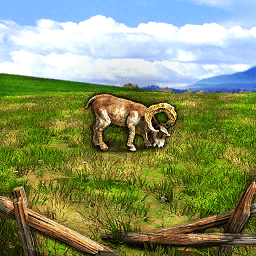
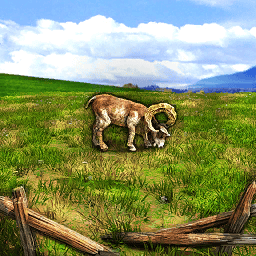
A Khitan food building where animals spawn inside a fenced area and workers gather from the central drop-off.
Overview
A Khitan food building where animals spawn inside a fenced area and workers gather from the central drop-off.
Function and access
A Khitan food building where animals spawn inside a fenced area and workers gather from the central drop-off This determines what the structure contributes to the settlement: economic buildings support resource flow, production buildings add access to an army line, and defensive buildings protect space or routes.
Durability and battlefield role
The structural values describe what this building can protect, garrison, or attack. Use them to decide whether it is a safe production point, a defensive anchor, or a structure that needs support; scenario and campaign buildings may have rules that differ from standard matches.
- Hit points: 560
- Melee armor: 0
- Pierce armor: 0
- Line of sight: 1
Function and availability
A Khitan food building where animals spawn inside a fenced area and workers gather from the central drop-off. Available from: Dark Age; Construction cost: 110 Wood; Build time: 22 seconds; Line of sight: 1. Its release and category determine which scenarios or match settings use it; consult its listed profile before treating it as a standard buildable structure.
Building statistics
- Age
- Dark Age
- Cost
- 110 Wood
- Construction time
- 22 seconds
- Hit points
- 560
Building values can vary by edition or scenario.
- Also known as
- Pasture (Age of Empires II)
- Focus
- Economy · unique building
- Signature / category
- Construction & function
- Release / context
- Core roster
- Region
- Structure
- Classification
- Buildings