Battle Canoe
Battle Canoe is Africans naval unit in Age of Empires III, available from the Commerce Age; obtained through Port. Its listed ability is Transports land units; Gathers from fishes and whales; Trains infantry and cavalry (only if close to shore).
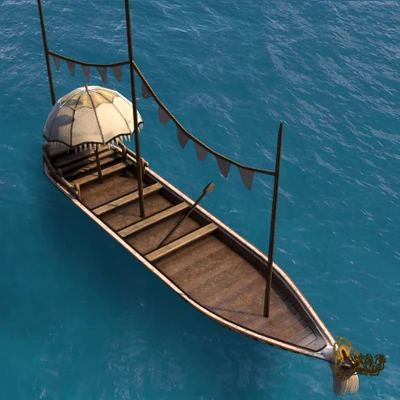
Recorded values
- Available
- Commerce Age · Port
- Training
- 40 sec · 40 XP per train
- Durability & mobility
- 800 hit points · 50% ranged resistance · 8.5 speed · 26 line of sight
- Ranged attack
- 18 range · 1.5 attack interval · bonuses: 0.5x vs. Artillery
- Siege attack
- 13 (5) damage · 18 range · 1.5 attack interval · bonuses: Same as ranged attack
- Ability
- Transports land units; Gathers from fishes and whales; Trains infantry and cavalry (only if close to shore)
Role, availability & values
Production is available through Port. It has 800 hit points and 50% ranged resistance. It moves at 8.5 speed. Training costs 200 Wood and 200 Coin; it takes 40 seconds to train. Attack profile: Siege attack deals 13 (5) damage. Ranged attack bonuses: 0.5× against Artillery. Siege attack bonuses: Same as ranged attack. Special ability or role: Transports land units; Gathers from fishes and whales; Trains infantry and cavalry (only if close to shore).
Matchup & timing
Use the African Battle Canoe as a transport and shore-support vessel: it can carry land units, gather Fish and Whales, and train Infantry and Cavalry when positioned close to shore. At 8.5 speed it can move between coastal tasks, but its 800 hit points and 50% ranged resistance do not make it a substitute for a screened combat fleet. The recorded 0.5× modifier against Artillery is a penalty, not an anti-artillery bonus, so do not send it to counter artillery. Its 200 Wood, 200 Coin and 40-second training time make it a substantial investment; plan the landing or fishing route before building one.
African coastal economy and support
Battle Canoes are African Commerce Age ships trained at the Port for 200 Wood and 200 Coin. The profile has 800 hit points, 50% ranged resistance, 8.5 speed and 26 line of sight. A canoe can transport units, gather from fish and whales, and train infantry or cavalry when close to shore, so positioning near a safe coastline creates a temporary reinforcement point. Its attack is reduced against Artillery and it is not meant to duel a heavy warship alone. Battle Canoes also provide access to Levied Bowmen and other African units when their roster permits, allowing a water position to contribute to land production. Keep the ship near the shore when using the training function, but move it away from dangerous enemy fire. Its versatility can justify the cost on a hybrid map, while a purely inland plan may gain more from spending those resources on land units.
Siege and damage history
The Battle Canoe’s siege attack deals 13 damage at range 18 every 1.5 seconds in the current profile; an earlier update temporarily raised that value to 14 before it returned to 13. Its ranged damage against Artillery is only half normal. The canoe’s value comes from combining transport, fishing and near-shore unit production, not from winning a direct artillery duel. It grants 40 XP when trained and its 800-hit-point hull is best protected by other ships.
Shoreline production and map control
A Battle Canoe is especially valuable on a map where land and water objectives overlap. It can transport land units, gather from fish and whales, and train infantry or cavalry while close to shore; one ship can therefore support an expedition, sustain an economy and add reinforcements. These jobs require deliberate positioning: keep it within shore range for training and close enough to fishing grounds to gather, but do not leave it exposed while occupied. Its 800 hit points and 50% ranged resistance help against some fire, yet its reduced attack against Artillery and limited role in a naval fight mean it should not be treated as a substitute for a dedicated warship. A Port trains it in the Commerce Age for 200 Wood and 200 Coin. On hybrid maps, secure a sheltered coastline and escort the canoe when it carries valuable units; on land-only maps its cost may be better spent elsewhere.