Heavy cavalry
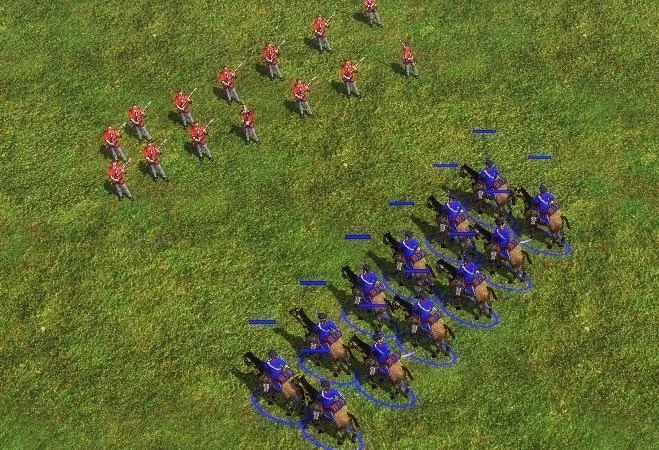
Heavy cavalry is a unit tag that groups most powerful close-combat cavalry and several ranged heavy riders. These units usually have high hit points, strong attacks, and a high population or resource cost. The tag matters because many other units and technologies have bonuses tied to it.
Unit class & counters
Heavy cavalry is effective against light infantry and artillery, while heavy infantry and light ranged cavalry commonly counter it. Lance cavalry gain specialized bonuses against infantry, and some unusual units have additional tags that change their matchups. The Aztecs and Inca use hand shock infantry instead of a standard heavy-cavalry roster.
Target selection
Use mobility to reach exposed ranged units or artillery, and scout for Pikemen, Dragoons, or other anti-cavalry before committing. Check a unit’s own entry for its tags and bonuses rather than assuming every cavalry unit shares the same counters.
Class function and common matchups
Heavy cavalry is an AOE3 unit-class tag that affects combat bonuses, not a promise that every mounted unit behaves the same way. Most members are powerful close-combat riders with high hit points and resource or population costs, while some ranged heavy riders share the class. Heavy cavalry is typically used to reach exposed light infantry and artillery, where mobility lets it choose a target and pressure the back line. Heavy infantry and light ranged cavalry commonly counter it, and lance units may have additional bonuses against infantry. Those are general patterns: exact multipliers, range and special tags belong to the individual unit. Some civilizations, including Aztecs and Inca, use hand shock infantry rather than a standard heavy cavalry roster, so their units can fill a similar tactical role without sharing the cavalry classification. Before committing, scout for Pikemen, Dragoons or other anti-cavalry, and avoid charging into a prepared screen. Use speed to flank and retreat when the opponent concentrates counters. Check a unit’s own entry and stat table before assuming its class or matchup from appearance alone.
Using mobility instead of a frontal charge
A heavy cavalry group is strongest when it chooses the engagement. Approach artillery or light infantry from a flank, keep an escape route open and avoid charging into a prepared anti-cavalry line. Because the class includes units with different weapons and tags, use the unit-specific page for exact damage multipliers.
Class distinctions
The class is a useful guide to broad counters, but it is not an exact stat category shared identically by every unit. Read the individual entry for whether the rider uses melee or ranged attacks and for any special tags that alter its matchup.
Counter awareness
A cavalry force should identify the opponent’s anti-cavalry before committing. Pikemen and Dragoons are common warning signs, but specific unit tags and multipliers vary; use the linked entries to confirm the matchup.
Use the charge, then leave before anti-cavalry closes
Heavy Cavalry is a broad class for mounted units designed to pressure Infantry, ranged troops and exposed economic targets. Their mobility lets them choose engagements and threaten a flank, but their population and resource cost makes a poor trade expensive. Pikemen, Halberdiers and other units with anti-Cavalry multipliers can punish a direct charge; ranged Cavalry and Skirmishers may also kite a slow melee horse. Use scouts to identify the screen, approach an exposed target from a safe route and retreat before the opponent can surround the unit. Heavy Cavalry does not have one universal attack profile: check the individual unit’s hand, trample or charged attacks and target classes. Some civilizations lack a conventional Stable or use a different cavalry equivalent, so confirm the roster and building route before planning a composition.