The Napoleonic Wars
The Napoleonic Wars compresses army preparation into a short period before teams fight over strategic points across the map. The limited setup window makes production timing part of the objective.
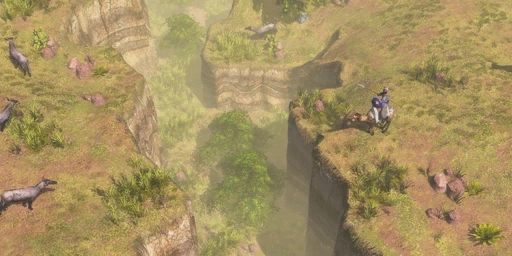
Historical setting & objective
Use the preparation period to choose a focused army composition and establish the production needed to replace losses. Once the fight begins, identify which strategic points are open and move as a team instead of scattering into separate engagements.
Map control & approach
Avoid spending the full setup window on infrastructure that cannot contribute in time. Keep reinforcements flowing toward the active objectives, and reposition when a point is no longer worth the force required to hold it.
Spend the preparation window on a usable force
The short preparation period means an elaborate economy can finish too late to affect the strategic-point battle. Decide on a compact army composition early, build only the production needed to field and replace it, and preserve enough resources for units that can reach the fight. As soon as the engagement begins, scout which points are open and move the team toward objectives it can actually hold. Do not send isolated groups to every point if the opponent can defeat them one at a time. Once a position is secured, decide whether the force can defend it or should move to the next opening. The mode rewards timely reinforcement and coordinated movement: infrastructure has value only when it produces units before the objective is decided.
Coordinate the strategic-point fight
The setup window is short, so preparation should support the first strategic-point engagement rather than an economy that pays off after it. Agree on a focused army composition and the first point the team intends to contest. Keep production close enough to feed reinforcements into that fight, and avoid scattering units across several objectives before the opponent’s position is known. Once a point is secured, decide whether the force can hold it or should move to an open objective; leaving too many units behind weakens the next engagement, while leaving too few invites a reversal. A compact reserve can respond to a newly threatened point. The exact available time and scenario limits should be checked in the briefing before selecting a build order.
Strategic-point victory and roster limits
British, Dutch, French, Germans, Italians, Maltese, Portuguese, Russians, Spanish and Swedes are permitted. The map begins with a timer; the player with the most captured strategic points wins, and the scenario’s stated victory condition is to capture all strategic points. A short treaty period gives teams time to train an army, while construction limits for economic units are stricter than in an ordinary match. Provisioning Caches allow players to convert supplies quickly, and advancing to the next Age is faster and costs less under the scenario rules. This setup rewards early production and movement toward control points rather than a long worker boom. Use the treaty to build a focused force and identify the nearest strategic point, then coordinate captures and reinforcements so the team can protect its lead as the timer runs down.