Maltese
The Maltese are a European civilization introduced in Knights of the Mediterranean, built around defensive positions and Order units. Their Hospitals combine infantry production with healing, while Commanderies and Fixed Guns protect chosen ground.
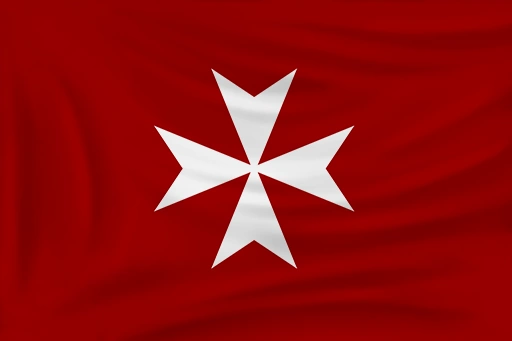
Economy & identity
Maltese units benefit from staying near friendly structures, and the Grand Master can establish military infrastructure. The civilization can support a fortified line with Sentinels and Fixed Guns, then use Hospitallers, Fire Throwers or artillery for different combat roles.
Military & matchups
Choose a position that lets buildings support one another and protects the economy. Maltese infantry can be expensive and population-intensive, so preserve veteran forces and avoid spreading the army so widely that their building-linked bonuses are lost.
Practical direction
Anchor key resource sites, then use mixed units to stop the opponent from bypassing the defensive line.
Shipment-driven unit growth and regeneration
Maltese units other than Order units gain hit points from eligible Home City shipments and regenerate while idle. The current profile lists a two percent increase per qualifying shipment for most units, with artillery and ships receiving a smaller increase; infinite shipments are excluded. Shipments also require a slightly higher experience threshold than usual. This makes the Maltese army stronger over time, but only if units survive between engagements and the player keeps earning shipments. Regroup damaged troops when the immediate threat has passed so regeneration can restore some value. Order units follow their own profile and should not be counted as receiving every Maltese bonus. The shipment system therefore favors preserving a core army, while repeated disposable trades can erase the durability advantage before it compounds.
Order units and the Commandery
Order units are multinational European soldiers with increased hit points and attack, an experience bounty and automatic upgrades, but they cost more and take longer to train. Home City cards can introduce foreign units and unlock their recruitment at the Commandery; some of those cards also deliver a wagon to build one Commandery. This structure functions as both a defensive site and a Stable-like source for allied cavalry. Units garrisoned in a Commandery can be deployed from another Commandery, creating flexibility for moving reserves between positions. Plan its location where it can be defended and where cavalry can reinforce the army. The Order unit premium pays off when the unit remains alive long enough to benefit from upgrades and shipment bonuses; do not assume its higher cost is justified in every early fight.
Hospitallers, Sentinels and structure auras
Hospitallers and Sentinels gain strength near friendly structures. Hospitallers absorb part of the damage inflicted on nearby allies and move faster near buildings, making them useful as a protective front line around a base or forward position. Sentinels are defensive Musketeers that can construct Outposts and improve near defensive structures such as Outposts or Fixed Guns. These mechanics encourage the Maltese to fight around prepared positions. A mobile force far from buildings loses some of the benefits that make the units distinctive, so build or choose a defensive anchor before engaging. The units also use more population and resources than ordinary infantry, meaning the army should rely on their support effects and position rather than trying to match an opponent’s unit count one for one.
Depot and Fixed Gun defense
The Depot increases the attack speed of nearby gunpowder units, artillery and buildings. It can also be detonated or explode when destroyed, damaging nearby units and structures. Keep friendly troops outside the blast area before triggering it, and avoid placing the Depot where an opponent can destroy it beside the Maltese army. Fixed Guns deliver powerful stationary artillery fire, but they occupy population and have a minimum range that prevents them from targeting enemies who close too near. Protect them with Sentinels, Hospitallers or other units that can intercept a rush. A Depot’s attack aura and a Fixed Gun’s range can form a defensive zone, but neither building is safe without a ground screen and a plan for enemies entering the minimum-range gap.
Fire Throwers and artillery support
Fire Throwers use incendiary weapons and are effective against Heavy infantry and Light cavalry. They replace the Grenadier role at the Artillery Foundry, giving the Maltese a different answer to infantry pressure. Use them with the wider artillery line and protect them from units that can close quickly. Maltese artillery otherwise shares much of the European roster, and the civilization can obtain one Factory through a Home City card. The limited Factory access constrains late-game economy compared with civilizations that can field more, so use its production purposefully. A Fire Thrower, Fixed Gun and Depot each have different deployment needs: mobile infantry can reposition, the Fixed Gun must be defended in place, and the Depot’s area effect depends on local placement.
Economy and a measured opening
The Maltese begin with Food, Wood, Coin and six Settlers, but their distinctive units and structures can be expensive. Build a sustainable economy before committing to a large Order force, and use the Grand Master to explore, construct fortifications and Trading Posts, and guide the army’s route. The Grand Master cannot be permanently killed; if incapacitated, he can be rescued. The Lamb of the Creator scouts without attacking and has high hit points, so it can help reveal a route or draw attention while more important units stay safe. Home City cards should be selected with the intended defense in mind: shipments can strengthen ordinary units, deliver allied troops or unlock a Commandery, but they also require experience. The Maltese are most effective when their economy supports prepared positions and the army fights within its defensive network.
Matchups and version boundaries
Maltese defensive bonuses do not remove the need for mobile counters. Fixed Guns cannot hit an enemy inside their minimum range, and a structure-centered force can be bypassed if the opponent attacks another side. Keep a mobile unit near the defensive line and use the Grand Master or Lamb to scout the likely approach. The Maltese entered in Knights of the Mediterranean and are playable in Definitive Edition; their unit bonuses, shipment experience threshold and artillery hit point effects have changed through updates. Revolution choices include Barbary States, Hungary and Livonia in the current listing. Check the individual unit and technology pages for current costs and exact aura effects, and use the revolution entry for post-transition rules.
Structure placement creates the army’s strength
The Maltese defensive network should be planned as a connected group. Put the Depot where its attack-speed radius covers gunpowder units and artillery, and position defensive structures so Sentinels receive their structure-based benefit. Hospitallers can protect allied units near buildings, while Fixed Guns control a firing lane. Leave enough room for the army to maneuver around the minimum range of a Fixed Gun. If the opponent can approach from several directions, place mobile units where they can move between the static defenses rather than scattering them too far apart. A structure’s value comes from its coverage and the time it forces the enemy to spend attacking it.
Spend population on premium units carefully
Maltese unique infantry are costly and use two population each, so an army built only from Hospitallers or Sentinels can become small. Their nearby-structure bonuses and support effects can justify the cost, but use standard European units, artillery or Commandery allies to fill the rest of the formation. Shipment upgrades compound on surviving eligible units, making a veteran core more valuable than repeated losses. Keep the population budget open for the next shipment and avoid overproducing a premium unit when its counter is already on the field.
Use the Depot blast safely
The Depot can explode when destroyed or be detonated, damaging nearby units and buildings. Treat its radius as a danger zone for both armies: withdraw Maltese troops before triggering it and lure enemy units close only when the friendly formation can move away. The Depot’s gunpowder attack bonus may matter more while it remains intact, so do not detonate it merely because the opponent has begun an attack. Decide whether the building is more valuable as an aura or as a final area attack, then position units to avoid accidental friendly damage.
Protect a fixed defense from close attacks
A Fixed Gun cannot target enemies inside its minimum range, so it must be supported by units that can fight at close quarters. Use Sentinels and Hospitallers to hold the approach, and keep a mobile response ready for cavalry that tries to bypass the gun. Repair and reinforce the position only while the surrounding route remains safe.
Shipment choices and battlefield timing
Maltese shipments can improve eligible units, deliver allied troops or unlock structures and training options. Their value depends on when the army can use them. A hit point shipment is strongest when it improves a core that will survive several engagements, while a Commandery card is most useful when its foreign unit fills a missing role. Keep earning experience and preserve the army between fights so the shipment bonuses and idle regeneration can accumulate. Avoid spending a card on units that arrive after the opponent’s push has already reached the base.
Respond when the opponent changes fronts
A defensive position can be bypassed. Use the Grand Master and Lamb of the Creator to scout alternate approaches, then move mobile units to support a threatened side. Keep the Fixed Gun and Depot focused on the route that matters most, and do not abandon the Settlers who fund the next line of defenses.
Preserve the veteran line
Pull damaged Hospitallers and Sentinels back toward nearby structures so they can regenerate and retain shipment bonuses.
Recruit when the position is ready
Wait to train premium Order units until a protected route and suitable target are available. Their longer training time makes an interrupted queue costly.
Regroup near the defenses
Keep damaged units within range of supporting structures during a lull.
Order units and fortified infrastructure
The Maltese are a civilization introduced with Knights of the Mediterranean, organized around the Order’s military and fortified settlements. Their named roster includes the Grand Master, Hospitaller, Sentinel and Fire Thrower, while their distinctive buildings include the Hospital, Commandery, Depot and Fixed Gun. These names point to a force built around durable troops, healing and prepared positions, but each tool has its own access and cost; the civilization should not be treated as having every unit available from the start. The Commandery supports Maltese access to Settler Wagons, and the Hospital gives the army a way to sustain forces around a protected area. A Fixed Gun can defend a choke or valuable economy, but a stationary emplacement needs a screen and can be attacked by siege. Place production and support buildings so that the army can retreat to them without giving up the map.
Choosing when to hold ground
Maltese play rewards careful timing around its defensive options. Sentinels and Hospitallers can form the fighting core, while ranged troops or allied units cover threats that a slow defensive formation cannot chase. Fire Throwers add a specialized attack profile and should be kept behind a frontline that prevents enemy Cavalry from reaching them. The civilization’s Hospital, Depot and Fixed Gun can support a position, but the resources spent on infrastructure compete with unit production and Age advancement. Establish a forward site only when the army can protect it and the map offers a reason to hold that ground. In open terrain, preserve a mobile reserve; against a push, use defenses to buy time for reinforcements rather than leaving the army inside a structure network. Check the selected Home City cards and current game version, because Maltese unit access and improvements are tied to Knights of the Mediterranean and later balance updates.