GUIDE · BATTLE STRATEGY
Evaluating costly engagements
Winning a fight is not always profitable if it consumes more army value than the objective is worth. Compare losses, map position, and what the battle unlocks.
Overview
Winning a fight is not always profitable if it consumes more army value than the objective is worth. Compare losses, map position, and what the battle unlocks.
Plan and execution
Before committing, check counters, reinforcements, terrain, and whether the engagement protects workers or captures a key route. Focus dangerous units, retreat damaged expensive troops, and collect ground gained after the fight.
Risks and adaptation
Chasing a fleeing army can turn a favorable trade into a loss. Avoid fighting under defensive fire without a clear objective and reassess when reinforcements arrive.
Decision example
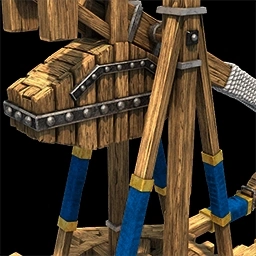
Compare the resources, production time, and map position each side will lose, not just the number of units. Trading a few cheap troops to save a Trebuchet or a contested gold mine may be worthwhile; losing an expensive army to destroy a remote House rarely is. Check whether reinforcements can arrive and whether retreat preserves the main unit line. If a fight is unfavorable, force the opponent to move by threatening a different resource rather than meeting them at their strongest position.
- Focus
- Battlefield resource trade
- Signature / category
- Plan and execution
- Release / context
- Age of Empires II system
- Region
- Battle strategy
- Classification
- Battle strategies