GUIDE · TECHNOLOGY STRATEGY
Ming Guang Armor cavalry-role plan
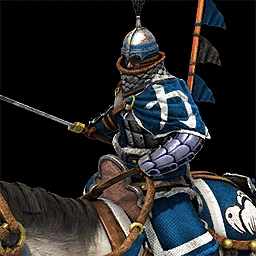
Ming Guang Armor strengthens the Wei mounted roster in different ways: it helps mounted units survive melee, while the Xianbei Raider and Tiger Cavalry gain especially useful battlefield durability. Choose the unit and engagement that benefit from those strengths.
Overview
Ming Guang Armor strengthens the Wei mounted roster in different ways: it helps mounted units survive melee, while the Xianbei Raider and Tiger Cavalry gain especially useful battlefield durability. Choose the unit and engagement that benefit from those strengths.
Plan and execution
Use the armor upgrade to support cavalry that must hold contact with melee opponents, and coordinate the Hei Guang Cavalry line with a screen that prevents ranged units from freely focusing it. Xianbei Raiders can use their mixed armor to survive while harassing or contesting ranged forces; Tiger Cavalry can take a more direct frontline role once the economy sustains them. Scout the opponent’s unit mix and switch roles rather than building every mounted line at once.
Risks and adaptation
The upgrade does not remove the weaknesses of each unit or guarantee favorable trades. Avoid sending cavalry into concentrated spear counters or letting expensive units absorb fire without a target. Choose a role based on the opponent and preserve enough resources for the necessary supporting production.
- Focus
- Cavalry durability across distinct matchups
- Signature / category
- Plan and execution
- Release / context
- Age of Empires II system
- Region
- Technology strategy
- Classification
- Technology strategies