GUIDE · BATTLE STRATEGY
Where the One-Eyed Man is King escape-and-base plan
Where the One-Eyed Man is King opens as a small escape puzzle, then becomes a base-building mission where walls can secure the economy. Rescue the first Villager and establish a safe position before committing the force to Hungary.
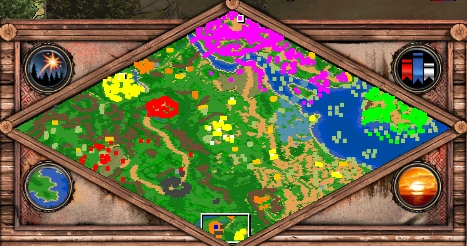
Overview
Where the One-Eyed Man is King opens as a small escape puzzle, then becomes a base-building mission where walls can secure the economy. Rescue the first Villager and establish a safe position before committing the force to Hungary.
Plan and execution
Convert the nearby Villager and repair the damaged Tower when the difficulty requires it, then escort Ivaylo north to Radu Negru. At the base, recruit another Villager and use the nearby stone to establish a Town Center and Castle behind a Palisade Gate. Wall the mining approach before expanding so enemy units cannot reach the workers. When ready, use Petards against the Hungarian Town Center to halt its economy, then draw surviving troops toward your Castle and continue the objective with a stable economy.
Risks and adaptation
Ivaylo must survive the opening escape, and the wall only helps if the route is closed before enemy units arrive. Do not send the newly converted Villagers to mine without protection or attack the Town Center before the base can hold the counterattack.
- Focus
- Hero rescue and protected economy
- Signature / category
- Plan and execution
- Release / context
- Age of Empires II system
- Region
- Battle strategy
- Classification
- Battle strategies