GUIDE · BATTLE STRATEGY
Estado da India resource-conversion plan
Estado da India removes normal economic buildings, leaving four starting Villagers and a resource economy based on the Market, Feitorias, and a few scattered deposits. Preserve the workers and use unit counters for the first attacks.
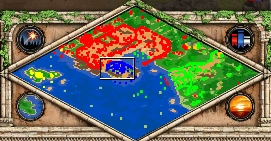
Overview
Estado da India removes normal economic buildings, leaving four starting Villagers and a resource economy based on the Market, Feitorias, and a few scattered deposits. Preserve the workers and use unit counters for the first attacks.
Plan and execution
Keep the four Villagers behind the starting defenses and use the initial resources to establish the units needed for the opening: Halberdiers and Hand Cannoneers against War Elephants, with Monks ready to convert isolated elephants. Counter Zamorin’s ships with your fleet and the coastal Bombard Towers. Once the first attack is contained, convert enemy Villagers or build Town Centers and Feitorias to expand the economy, then use Market purchases to balance the resources the map cannot provide through ordinary gathering buildings.
Risks and adaptation
If the four Villagers die, replacement depends on converting enemy workers. Do not try to recreate a standard farm and lumber economy when those buildings are unavailable; protect the Market and Feitoria income and reserve enough resources for the next assault.
- Signature / category
- Plan and execution
- Release / context
- Age of Empires II system
- Region
- Battle strategy
- Classification
- Battle strategies