GUIDE · BATTLE STRATEGY
The White Elephant four-Relic relay
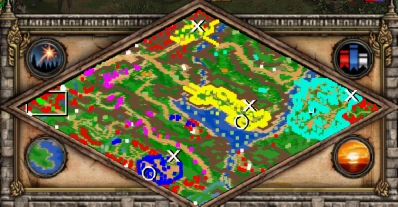
The White Elephant is a timed collection mission: deliver one Relic to each of four Monasteries before the deadline. Your army and population begin limited, so capture settlements in an order that improves the route and expands available support.
Overview
The White Elephant is a timed collection mission: deliver one Relic to each of four Monasteries before the deadline. Your army and population begin limited, so capture settlements in an order that improves the route and expands available support.
Plan and execution
Start by identifying the four flagged Monasteries and the safest order to visit them. Move the initial army as a single escort group, recruit available Gaia units along the way, and use the first successful Relic delivery to take control of a city and its support. Claim the Ayutthaya position early when its Dock opens the naval route, then use transports only when they shorten a safe crossing. Keep a Monk with the army and assign one Relic to each target as soon as it is secure.
Risks and adaptation
The population limit is low and cannot be raised through ordinary Houses, so recruit useful Gaia units before filling the cap with unnecessary troops. Never place multiple Relics in one Monastery: the scenario may eject them into inaccessible terrain. Track the timer and avoid long detours for optional gold.
- Focus
- Monastery sequence and population-cap planning
- Signature / category
- Plan and execution
- Release / context
- Age of Empires II system
- Region
- Battle strategy
- Classification
- Battle strategies