Shrine
The Shrine is the Japanese economic housing building from The Asian Dynasties. It provides population while automatically generating resources, and nearby animals increase its output. This turns wildlife placement into part of Japanese economy planning instead of treating every herd only as a source of Food.
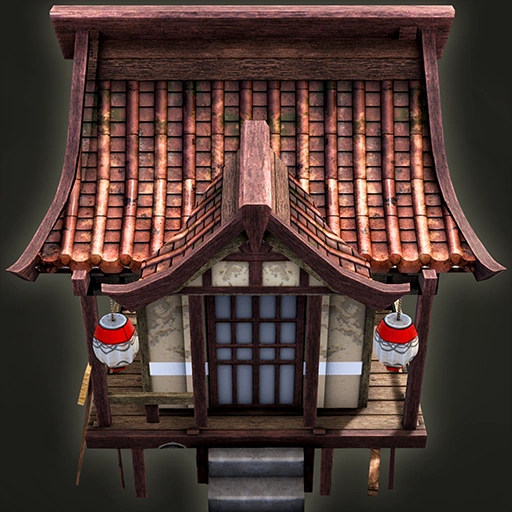
Recorded values
- Cost
- 125 Wood
- Available
- Exploration Age
- Builder
- Japanese Villager and its counterparts, Sohei Archer, Shrine Wagon
- Population support
- 10
- Function
- Provides population; Auto gather resources; Attracts animals to increase production and prevent enemies from hunting them
- Construction
- 15 sec · up to 8 builders · limit 20
- Structure
- 1,300 hit points · 12 line of sight · 2x2 footprint
Function
Japanese Villagers build Shrines in place of hunting animals for Food. The building supports the population cap and gathers automatically; the resource and rate depend on nearby animals and available Home City cards or upgrades. Herders and hunts therefore compete with Shrine placement for the same map wildlife, and lost animal clusters can reduce the value of nearby Shrines.
Placement & timing
Scout herds before placing Shrines so that several buildings can benefit from a useful wildlife cluster. Spread them enough to avoid a population block, but do not scatter them beyond the area your army can protect. Keep a conventional Food source available when Shrine income cannot meet the next unit or Age-up cost.
Japanese resource and population engine
The Japanese Shrine is a 125-Wood Exploration Age building that supports 10 population, automatically gathers resources and attracts nearby animals. Villagers build it in 15 seconds, and the Japanese may also use a Shrine Wagon or Sohei Archer access where the roster allows. A player can place up to 20 Shrines. The building has 1,300 hit points, line of sight 12 and a 2-by-2 footprint. Nearby wildlife increases Shrine production and prevents enemies from hunting those animals, so placement connects the economy to map scouting: identify herds first, then cluster Shrines where animals can improve their output. Shrines replace ordinary Japanese reliance on hunting as a food source, but they do not make Food availability automatic. The generated resource and rate depend on nearby animals, cards and upgrades, and a weak wildlife setup may not cover a sudden need for units or an age-up. Keep a conventional Food source and protect Shrine clusters from raids. Avoid building every Shrine in one exposed location; spread the housing and economic value while keeping the area defensible. Because animals are also herdable resources, balance Shrine attraction against the need to gather or move wildlife.
Planning herd coverage
Shrine output increases around animals, so herd placement is a meaningful part of the Japanese economy. Use the Explorer to find wildlife before committing Wood, and place Shrines where a herd can improve multiple buildings without leaving the cluster exposed. Shrines also keep nearby animals from being hunted by an opponent, which changes control of the area: a settlement can deny an enemy Food source while generating resources for Japan. However, the herd is not simply converted into immediate Food for the Japanese player, so keep other gathering options available. The 20-Shrine limit and 10 population per building help determine how much of the population cap can be supplied through this economic structure. Build in protected groups and leave room for units to move around them.
Population and resource balance
Each Shrine supports 10 population, so its housing function can reduce the need for other population buildings while the automatic resource trickle grows in the background. Its resource output is tied to nearby animals and relevant upgrades, not simply the number of Shrines built. Place it when both housing and animal-supported income help the Japanese economy, but keep another Food source available for immediate spending.
Wildlife-driven Japanese economy
The Japanese Shrine is both population housing and an automatic resource source. Nearby animals increase its output, turning wildlife placement into part of economic planning rather than treating each herd only as Food. A Shrine supports ten population and has a 125-Wood cost in the recorded profile. Japanese Villagers build Shrines instead of hunting animals for Food, while the Shrine attracts wildlife and prevents enemies from hunting animals drawn into its area.
Placement and protection
Scout wildlife before placing Shrines so several buildings can benefit from a useful herd cluster. Keep the network within territory the Japanese army can defend and avoid scattering Shrines beyond support. Resource rates and improvements depend on Home City cards, technologies and version; check the active profile before counting an exact yield. Maintain a conventional Food source when Shrine income cannot meet the next unit or Age-up cost, and protect workers and structures from raids.