Japanese
An Asian civilization from The Asian Dynasties whose Shrines combine population space with resource production.
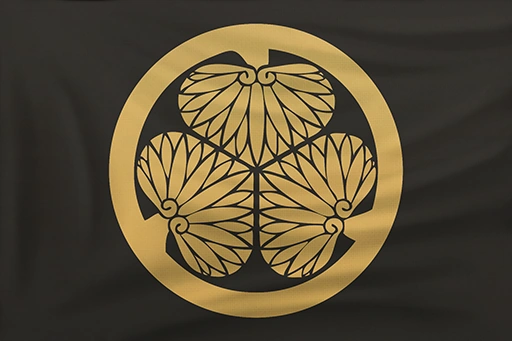
Economy & identity
Villagers do not hunt wild animals for food. Shrines can generate resources and benefit from nearby animals, so map placement has economic value.
Military & matchups
Ashigaru Musketeers and Yumi Archers form a strong infantry core; Samurai and cavalry answer other threats.
Practical direction
Protect exposed Shrines and adapt infantry proportions to enemy cavalry and ranged fire.
Opening economy and Villagers
The Japanese are a civilization introduced in The Asian Dynasties and remain available in Definitive Edition. Their opening includes 400 Food, 300 Wood, 100 Coin, 100 Export, six Villagers, and an Orchard Rickshaw. Most Japanese Home City Cards can be sent twice, giving the civilization flexible reinforcement and upgrade timing. Japanese Villagers cannot hunt, have a lower train limit of 75, and gather Export while collecting ordinary resources. They gather from Rice Paddies, Cherry Orchards, and other renewable sources rather than relying on hunted animals. Shrines attract nearby animals and generate resources, so their placement affects both income and map control. A Shrine placed near an animal source can improve its output, while a forward Shrine risks being destroyed. The Japanese opening therefore depends on choosing safe resource sites, using the initial Rickshaw efficiently, and planning around the card deck's repeated deliveries.
Shrines, Consulate, and aging
Shrines generate a small amount of configurable resources, attract animals for additional production, and support population. Rice Paddies provide an infinite source of Food or Coin, with a gatherer limit of ten. The Consulate spends Export to form relations with a European civilization or enter isolationism, granting access to units and technologies. These systems let the Japanese shape an economy and army through buildings and alliance choices rather than ordinary hunting and mining alone. Japan advances in Age by constructing Wonders. Each Wonder offers a distinct benefit: the Golden Pavilion can improve attack, speed, or hit points; the Great Buddha reveals enemy positions through the Informers ability; The Shogunate reduces land military training time and cost; Torii Gates increases experience bounties; and Toshogu Shrine acts as a major Shrine while improving Shrine income and supporting population. Choose the Wonder for the next timing, since the choice determines which advantage arrives with the age-up.
Military roster and unit roles
Japanese units cover several distinct roles. Yumi Archers provide ranged infantry pressure against infantry, while Ashigaru Musketeers serve as durable Heavy infantry and can fight Cavalry in melee. Samurai deal area damage in hand combat and are effective against Cavalry and buildings. Yamabushi and other melee troops add different anti-cavalry functions. Naginata Riders are Heavy cavalry suited to chasing archers, Skirmishers, and Artillery; Yabusame Archers are ranged cavalry designed against Cavalry and Artillery. Shinobi add Stealth and ranged attacks, while Flaming Arrows and Morutaru provide artillery support. The army should combine screens and damage dealers: protect ranged troops from melee attackers, and keep artillery guarded from cavalry. Japanese access to Daimyo and Shogun Tokugawa adds mobile production and shipment support; these heroes can train units and receive shipments, and Shogun Tokugawa improves nearby troop hit points. Dojo shipments provide another way to generate armies automatically, but they occupy a Home City Card slot and cannot be constructed as ordinary buildings.
Card value and strategic timing
The ability to send most Home City Cards twice makes shipment timing an important part of Japanese play. A resource or unit card can support an early push and later be sent again, while a repeated upgrade can strengthen an army over time. This flexibility does not mean every card can be repeated without limit; check the deck's actual card rules and any special restrictions. Export also creates a separate reserve for Consulate units and technologies, so gathering it alongside Food, Wood, and Coin can delay other economic needs. Use the Consulate when its allied roster answers a matchup or a technology fits a plan, and compare the cost with continuing Japanese production. Since Japanese Villagers cannot hunt, protect Shrines and renewable food sources rather than expanding into exposed hunting grounds. The civilization rewards a stable economy and deliberate shipment sequencing, not simply sending every available card as soon as it lights up.
Version notes and practical plan
The Japanese Home City was not customizable in the original Asian Dynasties release; later Definitive Edition updates added customization. The Meiji Restoration card changes the civilization's flag in the Baltic Powers expansion. The core mechanics remain the Wonder age-up system, Shrines, Export, Consulate relations, and the special Japanese unit roster. A reliable match plan starts by placing Shrines near safe animal sources, maintaining Villager production within its 75 limit, and choosing a Wonder whose bonus supports the intended army. Add Rice Paddies when renewable Food or Coin is needed, then use the Consulate for a deliberate ally choice. Field mixed forces according to the opponent: Ashigaru and Yumi can hold the center, Naginata Riders or Yabusame can handle mobile threats, and artillery can attack fortifications once protected. Keep edition specific card and Home City features distinct when using older guides.
Defensive decisions and population
Japanese buildings and units often combine economic and military value, but the population limit and Villager train limit still constrain the force. Shrines support population and generate income, while Rice Paddies can shift between Food and Coin; build enough of each to meet the army's needs without over-investing in structures that cannot be defended. Japanese Castle provides a defensive point and artillery production, while the Consulate lets Export become an allied army or technology. A Shrine placed near a route can attract animals and add resources, but its visibility may invite raids. Use the Sohei Archer or another mobile force to scout ahead, and keep Ashigaru or other infantry close enough to protect valuable structures. If the army is near its population cap, prioritize replacing losses and choose shipments that fill a specific gap rather than adding more units than the economy can support.
Protecting the economy
Because Villagers cannot hunt, an exposed Shrine or Orchard can interrupt the Food plan quickly. Place renewable sources within response distance of the Town Center, and use the army's speed or the Sohei Archer to reveal threats before they reach the gatherers. Replace vulnerable resources early rather than waiting until the army has no Food.
Shrines replace hunting and herding
The Japanese cannot gather Food by hunting or herding. Instead, Villagers build Shrines that generate a small stream of the selected resource, including Experience when the relevant Home City option is available. Nearby huntable or herdable animals are attracted to Shrines, and each animal increases the building’s output. Shrine placement therefore connects map control with the economy: locate huntables, build a protected network and deny the opponent easy access to those animals.
Economy, military and age-up trade-offs
Shrines provide housing as well as resource income, but a Shrine network needs Wood and safe territory. Japan uses Wonders to advance Ages, and the chosen Wonder supplies an additional reward that should match the map and army plan. The Dojo can generate Japanese Banner Armies automatically, while Daimyo provide mobile production and leadership. Japanese units and systems are distinct from other Asian civilizations; use the relevant entry for exact unit, Wonder and card conditions. Protect Shrines and production so the resource stream can fund the army instead of becoming an exposed investment.