Samurai
The Samurai is Japanese heavy hand infantry with an area melee attack. It can punish cavalry, shock infantry and buildings, but its two-population cost and limited reach make the approach important.
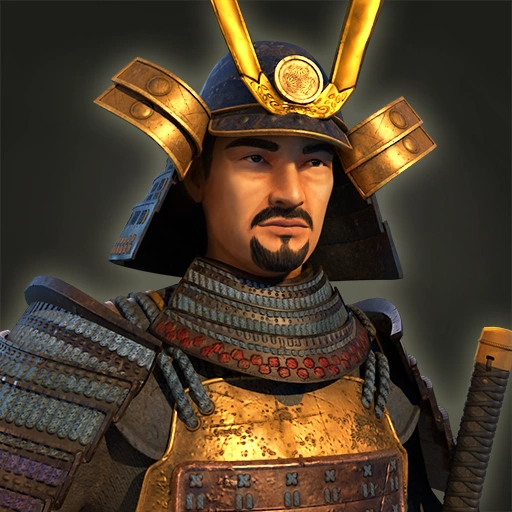
Recorded values
- Available
- Commerce Age · Japanese Barracks; Fort; Daimyo; Atakebune; American Citadel
- Training
- 45 sec · 2 population · 19 XP per train
- Durability & mobility
- 230 hit points · 30% hand resistance · 4.5 speed · 12 line of sight
- Siege attack
- 60 base damage · range 6 · attack interval 3.0
- Hand attack
- 28 base damage · attack interval 1.5 · area of effect 1 · bonus damage: 1.75x vs. Cavalry; 1.4x vs. Shock troops; 1.0x vs. Villager; 1.0x vs. Elephant
- Siege attack (mortar)
- 60 base damage · range 4-7 · attack interval 3.0 · requires TEAM Odzutsu Mortars card
Role & counters
Samurai are available from the Commerce Age through Japanese military access such as the Barracks, Daimyo and Atakebune. Their sweeping attack damages nearby enemies, and they have strong siege damage; ranged infantry and artillery can exploit their need to close.
When to field it
Use them when the enemy must fight in a compact area or when a flank can reach vulnerable artillery. Protect the approach with Ashigaru Musketeers or Yumi Archers, and avoid feeding them into a ranged screen.
Area-damage heavy infantry
The Samurai is a Commerce Age Japanese heavy infantry unit trained at Barracks, Forts, Atakebunes, Daimyo and certain other Japanese production routes. It costs 95 Food and 95 Coin, takes 45 seconds and uses two population. Its profile has 230 hit points, 30% hand resistance, speed 4.5 and line of sight 12. The hand attack deals 28 damage every 1.5 seconds in an area of one, with a 1.75 multiplier against Cavalry and 1.4 against Shock Troops. It deals 60 siege damage at range six every three seconds. The TEAM Odzutsu Mortars card replaces this with a mortar-style siege attack at range four to seven. The Samurai’s sword sweep lets it damage clustered units. Cavalry or Shock Troops packed together can take heavy losses when they enter melee, and the unit’s high siege damage lets it threaten buildings after defenders are cleared. It is also strong against Artillery once it reaches the guns. The approach is the dangerous part: ranged infantry can focus Samurai before they close, and artillery can punish a compact formation. Use terrain, a screen or a flank to shorten the distance and avoid walking through an open firing line. Samurai cost two population, so each loss is expensive even though their attack is strong. They cost equal Food and Coin, putting pressure on both resources and competing with Japanese upgrades and other units. Train them when the opponent’s composition gives their area attack value—particularly cavalry, Shock Troops or a building that needs to be sieged. Against widely spaced light infantry, a ranged unit may be more efficient. Samurai can overwhelm weak ranged units after contact, but should not be sent alone into a prepared skirmisher line. Upgrade progression begins with Disciplined Samurai in the Fortress Age for 200 Wood and 100 Coin, granting 20% hit points and damage. Honored requires Disciplined and costs 600 of each resource for 30%; Exalted requires Honored and costs 1,500 of each for 50%. Japanese Home City cards and technologies can further improve attack or durability. Upgrade costs are high, so research them when Samurai remain an important part of the army rather than as an automatic step. The unit resembles the German Doppelsöldner in its melee and area-damage role, but its stats, cost, population and civilization access are distinct. Samurai are less specialized against Cavalry and Shock Troops than some units, but can be stronger against other targets and buildings. Use them as a heavy melee breaker supported by ranged infantry and cavalry, protecting the advance until they can reach the enemy’s vulnerable units.
Break formations with the area attack
The Samurai’s area of one means nearby units around the primary target can take damage from each sword strike. Its 1.5-second attack interval applies this splash repeatedly, so a tightly packed group of cavalry or Shock Troops can be punished quickly. Spread enemy ranged units take less area damage, making a direct chase less attractive. Use the Samurai against a formation that has committed to melee, then retarget the units with the strongest counters.
Protect the approach against ranged units
Use Ashigaru or Yumi Archers to pressure enemy Skirmishers while Samurai move forward. Once the ranged screen is disrupted, the Samurai can close and use its area attack against clustered units or siege the exposed buildings.
Use siege damage after the enemy retreats
With 60 siege damage at range six, Samurai can help finish buildings after defenders withdraw. Keep ranged support nearby in case the opponent returns with anti-infantry units.
Choose the Samurai when the target is clustered
The Samurai’s area damage is most efficient against tightly grouped cavalry or Shock Troops. If the opponent spreads out, use ranged units to pressure the formation and wait for a closer engagement rather than chasing several targets at once. Its 30% hand resistance helps against melee attacks, but does not prevent ranged units from focusing it during the approach. The two-population cost means a Samurai group can occupy the same army capacity as many cheaper infantry. Balance its attack value against the price of replacing losses, and keep the unit near friendly ranged troops that can handle skirmishers and artillery before they focus the Samurai.
Protect the unit while it closes
Use a screen to draw ranged fire and let Samurai approach along a flank. Once their area attacks connect, they can punish a clustered line; before contact, their population cost makes them an easy target for focused fire.
Withdraw if the formation is countered
If heavy ranged fire or artillery prevents Samurai from reaching the enemy, pull them back and let Yumi or Ashigaru create an opening before committing again.
Use Japanese ranged support
Yumi Archers can soften the opponent before Samurai engage.
Japanese area-damage Heavy Infantry
The Samurai is a Commerce Age Japanese Heavy Infantry unit trained at the Japanese Barracks, Fort, Daimyo, Atakebune and other eligible Japanese production points. It costs 95 Food and 95 Coin, takes 45 seconds to train and uses two population. A Samurai has 230 hit points, 30% hand resistance, speed 4.5 and sight 12. Its 28-damage hand attack fires every 1.5 seconds, affects an area of one and deals bonuses against Cavalry and Shock troops. Its 60-damage Siege attack can pressure a structure after the enemy army is displaced. The two-population cost and slow speed mean each Samurai is a significant investment; use it where area melee damage can connect.
Protect the approach and siege role
Samurai excel when an enemy is forced to fight at close range, especially in a compact formation. Their area attack can hit nearby units, while the anti-Cavalry and anti-Shock multipliers punish a charge. They are vulnerable to ranged Infantry and artillery during the approach, so use Ashigaru Musketeers, Yumi Archers or other units to screen them. The TEAM Odzutsu Mortars card replaces their Siege attack with a mortar attack at range 4–7, changing how they contribute to a push. Check the card before relying on that ability. Train Samurai when the army can afford two population each and when the opponent’s composition gives them a favorable fight; do not send them alone to chase mobile ranged units.
Definitive Edition and patch-era changes
The current Samurai costs 95 Food and 95 Coin, compared with 100 of each before update 13.27885. Training and kill Experience are now 19, down from 20 before update 13.58326. Its hand attack is 28 damage, versus 25 before the Definitive Edition. Against Villagers its multiplier is now 1.0× rather than 0.5× before Definitive Edition; against Elephants it is 1.0× rather than 1.15×. The two listed siege attacks each deal 60 damage, compared with 67 before patch 15.59076. Its special attack now reaches 4–7, rather than 4–14 before that patch. Those values reflect changes to both economy and combat, so old Samurai advice may misstate its cost, siege reach or bonus damage.