Miguel Hidalgo
Miguel Hidalgo was the Mexico Revolution leader choice for the Portuguese and Spanish in The WarChiefs and The Asian Dynasties. The older leader-selection system differs from Definitive Edition’s later Mexican Revolution options, which use their own nation-specific rules.
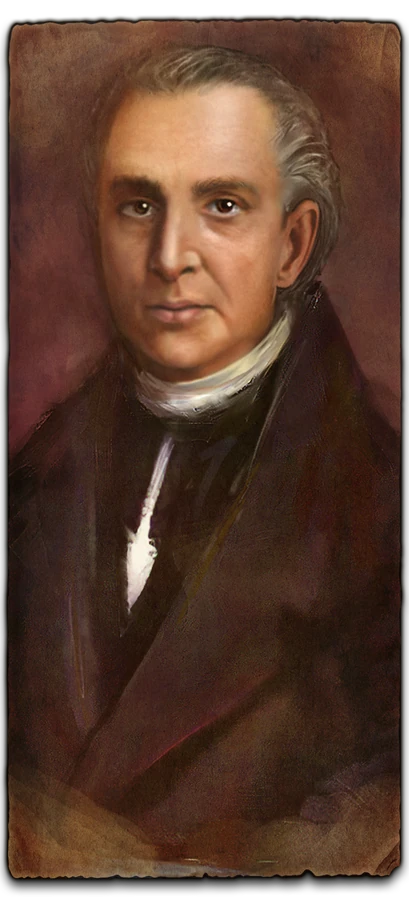
Version & availability
In the supported earlier releases, choosing Hidalgo sends 10 Outlaw Pistoleros and 10 Outlaw Riders to the Home City shipment point. The two groups give an immediate mixed outlaw force, combining ranged and mounted roles. This shipment does not describe the units or bonuses of the Definitive Edition Mexico civilization.
Revolution bonus
Choose Hidalgo in the older system when both outlaw roles fit the map and can be used quickly. Keep the Riders mobile and protect the Pistoleros from melee pressure. Check the edition before building a plan around this reward; in Definitive Edition, consult the Mexico Revolution entry instead.
Historical identity
Miguel Gregorio Antonio Ignacio Hidalgo y Costilla y Gallaga Mandarte Villaseñor lived from May 8, 1753 to July 30, 1811. A priest in New Spain, he is remembered in Mexico as the Father of the Nation because of his role in beginning the Mexican War of Independence. The Grito de Dolores marks the call to revolt against Spanish rule. In the game this event is represented as a Historical Battle in Definitive Edition, connecting the character’s biography to a playable scenario rather than treating him only as a civilization bonus or unit name.
Roles across Age of Empires III releases
Hidalgo appears in several distinct forms across the series’ third game. He is the protagonist of the Grito de Dolores Historical Battle and appears there as the hero El Padre. In Definitive Edition he also serves as the Mexican AI personality. In The WarChiefs and The Asian Dynasties, he is a revolutionary leader available to Portuguese and Spanish players. Choosing that older revolution option sends a force of ten Bandit Gunslingers and ten Bandit Riders to the Home City shipment point. This older leader system should not be confused with the later Mexican civilization’s own revolution mechanics.
El Padre as a playable hero
The scenario hero has a support-oriented profile: 250 hit points, 10% ranged resistance, speed 4.5 and line of sight 18. El Padre heals at ten hit points per second at range 12, attacks at range 16 and can build Trading Posts and the Cathedral. Pacify slows Treasure guardians and increases their rate of fire for 20 seconds; with Guadalupanos it can affect enemy military units. Industrial Age Saber Strike automatically adds an area hand attack on a 90-second cooldown. He collapses at zero hit points and can revive near friendly units or buildings after regenerating 100 hit points. These rules belong to the campaign hero, not Hidalgo’s revolutionary shipment.
Using Hidalgo’s revolution option
When playing the older Portuguese or Spanish revolution system, the ten Bandit Gunslingers and ten Bandit Riders provide a mixed outlaw force immediately. The ranged gunslingers can contribute from behind the mobile Riders, while the mounted units can pressure exposed targets. Because a revolution changes the normal economy and is a major commitment, choose Hidalgo only when the map and army plan can use both groups quickly. The Home City arrival point is the delivery location; it is not a repeatable production unlock. In Definitive Edition, use the separate Mexico and revolution entries for current civilization rules.
Campaign context and character links
Hidalgo’s story links the New Spain uprising to the wider conflict against the Spanish and the rise of Mexico. Grito de Dolores is the key event that appears both as a historical narrative and as an Age of Empires III scenario. The hero’s gameplay adds treasure control, healing and army support, while the revolutionary-leader version represents a later strategic choice in a different ruleset. Players looking for combat statistics should consult El Padre; players planning the older Portuguese or Spanish revolution should consult the relevant revolution and outlaw entries.
A revolution shipment rather than a production unlock
Hidalgo’s older revolutionary reward sends ten Bandit Gunslingers and ten Bandit Riders to the Home City shipment point as soon as the player revolts. The two unit types arrive together as a finite force; the reward does not create a new building queue or make the units continuously trainable. Use the Riders to move quickly and pressure a flank while the Gunslingers support from range. If the shipment point or route is unsafe, the force may arrive too late to affect the immediate fight, so decide whether the revolution timing matches the map before selecting the leader.
Historical Battle versus civilization AI
In Grito de Dolores, Hidalgo appears as El Padre, a hero with healing, treasure control and the ability to build Trading Posts and the Cathedral. As the Mexican AI personality in Definitive Edition, he represents computer-controlled Mexican play and is not a selectable Home City card or hero unit in standard skirmish. The Historical Battle uses the 1810 independence setting and Spanish opponents. These roles share the same historical figure but have different game rules: the AI identity describes an opponent’s behavior, the scenario hero has unique abilities, and the older revolutionary leader grants an army delivery.
Historical setting and legacy
Hidalgo was a priest in New Spain whose call at Dolores helped begin the Mexican War of Independence. His execution in 1811 came before Mexico completed its independence struggle, but the uprising made him a central national figure. The game compresses that long conflict into a historical mission and uses his name for later revolutionary mechanics. Players can follow the related pages for Grito de Dolores, El Padre, the Mexican civilization and the older Spanish or Portuguese revolution paths to distinguish the historical event from each gameplay representation.
Three appearances, three rulesets
The name Miguel Hidalgo can refer to the historical figure, the Definitive Edition AI personality, or the older Spanish and Portuguese revolutionary leader. El Padre is a separate entry for the scenario hero’s statistics and abilities. Checking the edition and role prevents mixing the outlaw shipment with the Historical Battle unit.
Keep historical and gameplay terms distinct
The historical Hidalgo began the uprising, but the game’s AI personality and revolution choice are gameplay representations. The Grito de Dolores article covers the campaign events and the linked El Padre page covers hero mechanics.
El Padre hero profile and support abilities
In the Mexican content Miguel Hidalgo appears in game as El Padre, a unique hero who explores, heals and supports the economy. The documented profile has 250 hit points, 10% ranged resistance, speed 4.5 and line of sight 18. He heals nearby friendly units for 10 hit points at a range of 12, can see stealth and can claim Treasures. His ranged attack is 10 damage at range 16, and he can build Trading Posts and the Cathedral. When defeated, he collapses rather than dying permanently and can be revived by a friendly unit under the applicable rules.
Historical battle, revolutionary leader and AI personality
Hidalgo is the Mexican priest remembered for beginning the Mexican War of Independence through the Grito de Dolores. Age of Empires III: Definitive Edition represents the event as a Historical Battle, where the scenario places him in a scripted leadership role. He also appears as a revolutionary leader in earlier expansion campaign content and serves as the Mexican AI personality in Definitive Edition. These appearances use different rules: El Padre’s playable hero profile should not be confused with campaign objectives or the AI’s behavior. The historical personality gives context to the civilization’s Revolution system, while the battle entry governs mission-specific forces and victory conditions.
Use the hero without exposing the economy
El Padre’s healing and building abilities make him valuable after the opening Treasure hunt. Keep him near injured units and let him place a Trading Post or Cathedral where the position can be defended. His low movement speed compared with cavalry makes unsupported exploration risky; escort him when the enemy controls the route. As an AI opponent, Hidalgo’s dialogue is character flavor, not a fixed build order—scout the Mexican base, Federal State selection and visible production to judge the actual threat.