Outlaw
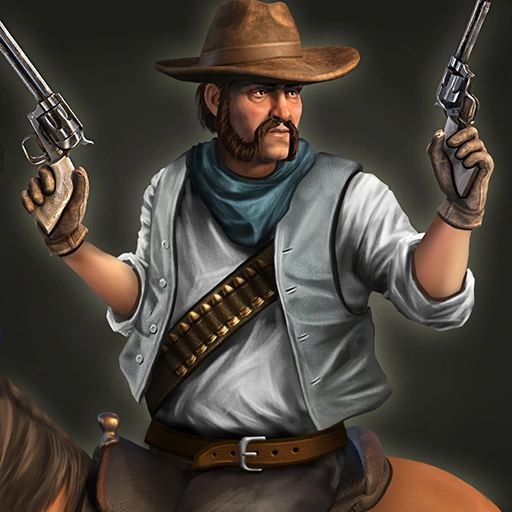
Outlaws are map- and civilization-dependent units available from outlaw-recruiting buildings such as Saloons. Their roster includes bandits, pirates, and other regional fighters. They use varied unit classes, so “Outlaw” describes a gameplay tag rather than a single battlefield role.
Roster & access
The available outlaw roster depends on the map, civilization, expansion, and later choices such as revolutions or Home City Cards. Individual outlaws have their own costs, population use, and counters. Some technologies improve outlaw units for particular civilization groups, and Definitive Edition renamed certain Wild West units from Outlaw to Bandit to distinguish them from trainable outlaws.
Unit choice
Inspect the available roster and costs before investing in an outlaw building. Recruit outlaws when a specific unit fills a gap or supports the map plan; their shared tag does not mean they all counter the same targets.
How the Outlaw class works
Outlaws are Commerce Age units with a low Coin price and a population cost higher than that of Mercenaries. The class is distinct from Mercenaries even though both are hired through specialized buildings and may appear in small map-dependent rosters. Outlaws are not countered by Spy or Ninja bonuses, nor by Native Scouts using Advanced Scouts or Maigadi. The United States General with the Sheriff Home City Card and the Carabiniere are exceptions that deal bonus damage to them. Treasure guardians can share the same visual models, but they are separate units with different names and statistics; Heroes can snipe treasure guardians. Since update 23511, the game files refer to Outlaws as AbstractOutlaw, and a dedicated class icon was added in update 15.59076.
Where each civilization recruits Outlaws
The building used to recruit an Outlaw depends on the civilization group. European civilizations use the Tavern, Native American civilizations use the Native Embassy, American civilizations use the Saloon, Asian civilizations use the Monastery, Italians use the Lombard, and African civilizations use the Watch Tower. These buildings are available for Commerce Age recruitment. Taverns and Monasteries draw from a roster influenced by the map, so a unit available on one map may not appear on another. Native Embassies, Saloons, and Watch Towers instead train preset choices for their civilizations. This is why an Outlaw strategy must begin with a map and civilization check: seeing an Outlaw in the general unit roster does not guarantee access in every match. The building also competes for space and resources with ordinary military production, so add it when the available Outlaw offers a role the army needs.
Outlaw roster across maps and expansions
The original roster includes the Pirate, while The WarChiefs added Comanchero, Pistolero, and Renegado, each tied to sets of maps. The Asian Dynasties added Marathan Dacoit, Marathan Thuggee, and several Wokou units: Horseman, Monk, Pirate, and Ronin. Definitive Edition expanded the class with units such as Corsair Marksman, Gaucho, Jagunço, Llanero, Morochuco, Mounted Granadero, and Captured Mortar. The United States has its own preset variants—Cowboy, Gunslinger, and Owlhoot—while the Mexicans use Cuatrero, Desperado, and Bandido. African civilizations received Desert Archer, Desert Warrior, and Desert Raider, and Knights of the Mediterranean added the Hajduk and Cossack Daredevil. These names belong to different unit roles: some are ranged Infantry, some are Cavalry, and Captured Mortar is Artillery. The roster is not one interchangeable army; read the individual unit's attack and target bonuses before choosing which unit to train.
Upgrades, population, and long-term value
Before Definitive Edition, Outlaws had a limited upgrade path that added 35% hit points and attack, restricting how long they could remain competitive. Definitive Edition gave them more extensive improvements, similar to Guard and Imperial levels, through the civilization's relevant Outlaw technologies. Population remains an important constraint: Tavern or Monastery cards such as Theaters, Atonement, Dance Hall, or Cantinas can reduce an eligible Outlaw's population cost by two. That reduction can make a force easier to support, but it does not remove the Coin cost or the need to build the recruiting structure. Compare an Outlaw's population efficiency and upgrade access with the regular unit it would replace. A cheap Coin price can be appealing when the economy has spare Coin, yet a high population burden may prevent the player from fielding enough support units. Research upgrades after choosing the roster and expecting to keep the units in combat.
Using Outlaws in the field
Outlaws work best when their specialized role and their map availability align. A Cavalry-focused outlaw can add pursuit or raid pressure, while a ranged outlaw can reinforce an Infantry line or punish a particular target class. Avoid treating the class as a universal counter: Outlaws differ substantially in range, armor, speed, siege damage, and target multipliers. Since most Outlaws are not specially vulnerable to Spy or Ninja class bonuses, use ordinary counter relationships and the unit's own profile when selecting a response. Protect the Tavern, Monastery, or other recruiting building if the plan depends on replacing casualties, and preserve the group when its high population cost makes rebuilding slow. For map-dependent units, confirm the roster before planning shipments or an opening; for preset civilization Outlaws, build around the units that civilization can actually train. Their best use is a deliberate addition to the army rather than a generic substitute for Mercenaries.
Map-dependent examples and selection
The map roster illustrates why the Outlaw class cannot be planned in isolation. Pirates are associated with maps such as Amazonia, Caribbean, Hispaniola, New England, Orinoco, Patagonia, and Saguenay. Comancheros, Pistoleros, and Renegados each appear across different North American and South American map pools. Asian maps may offer Dacoits, Thuggees, or particular Wokou units, while the later European map pool includes Hajduk and Cossack Daredevil. Definitive Edition added civilization-specific Outlaws with fixed access, including the American Cowboy, Gunslinger, and Owlhoot and the Mexican Cuatrero, Desperado, and Bandido. Africa's roster includes Desert Archer, Desert Warrior, and Desert Raider, whose roles differ from one another. Treat these examples as roster clues, then verify the unit offered on the selected map. Do not invest in an Outlaw building on the assumption that it can train a particular unit if the map pool does not include it.
Responding to an opponent's Outlaws
A practical response starts with the individual unit's classes and target bonuses. The Outlaw label alone does not identify whether the opponent is fielding mounted raiders, ranged Infantry, a melee specialist, or artillery. Units that are effective against ordinary Cavalry or Infantry can still counter an Outlaw if their damage multipliers and range suit the matchup; the important class bonuses against Outlaws are exceptions rather than a general Spy mechanic. The General's Sheriff card and the Carabiniere are specifically noted for bonus damage. Protect Villagers and artillery from the Outlaw's actual attack role, and avoid chasing a fast unit with slow Infantry. If the enemy invests heavily in Tavern or map-specific Outlaws, scouting the recruiting building and map pool can reveal the plan before the force reaches full size. Conversely, a player using Outlaws should mix roles and use their population efficiently rather than expect the class name to provide extra durability.
Campaign, economy, and building considerations
Outlaw recruitment is part of the wider economy and map-control plan. Taverns, Native Embassies, Saloons, Monasteries, Lombards, and Watch Towers occupy resources and building time that could otherwise support standard production. Their payoff is strongest when the accessible Outlaw fills a role missing from the civilization's normal roster or when an eligible card reduces its population requirement. Because Outlaws use more population than Mercenaries, a player should check the available population space before queuing a large group. Some map-dependent units are difficult to replace if the opponent destroys the recruiting building or controls the route to it. Keep the structure behind the main defensive line and use the first group to scout and pressure rather than losing it in an unfavorable fight. The Definitive Edition upgrade path extends their useful life, but it remains a resource commitment tied to the units that can actually be recruited in that match.
High-population Coin infantry
Outlaws are a class of recruitable units in Age of Empires III. They are generally available from civilization-specific special production buildings such as the Tavern, Native Embassy, Saloon or Palace, depending on faction and ruleset. Their relatively low Coin prices are balanced by high population use compared with ordinary troops and Mercenaries. Each outlaw has its own combat role and unit tags, so the class name alone does not predict its attacks, durability or counters; check the individual roster entry before choosing a particular outlaw for an army.
Recruitment and counter rules
Outlaws are not treated as Mercenaries for the special anti-mercenary effects used by Spies, Ninjas, Native Scouts with Advanced Scouts, or Maigadi. Only specific effects, including the United States General with the Sheriff card and the Carabiniere’s listed bonus, target Outlaws directly. Some Treasure guardians may share an outlaw’s model, but their unit identity and statistics differ. When planning production, compare the Coin cost and population burden with the standard units that fill the same battlefield role, then use the outlaw’s actual bonuses and vulnerabilities rather than assuming every unit in the class behaves alike.