Ronin
Ronin is Heavy infantry in Age of Empires III, available from the Fortress Age; obtained through Tavern (Europeans), Monastery (Asians), Saloon (Federal Americans), Palace (Africans), Lombard (Italians).
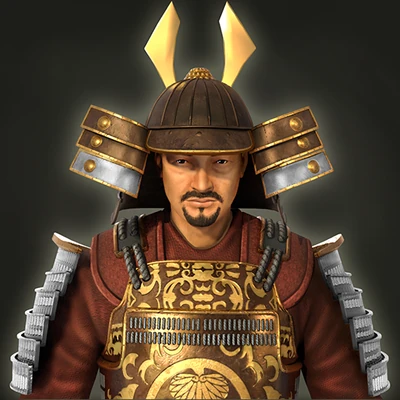
Recorded values
- Cost
- 400 Coin
- Available
- Fortress Age · Tavern (Europeans) ; Monastery (Asians) ; Saloon (Federal Americans) ; Palace (Africans) ; Lombard (Italians)
- Training
- 60 sec · 4 population · 40 XP per train
- Durability & mobility
- 540 hit points · 40% hand resistance · 4.5 speed · 12 line of sight
- Hand attack
- 58 damage · 1.5 attack interval · bonuses: 3.0x vs. Cavalry; 2.25x vs. Shock troops
- Siege attack
- 120 damage · 6 range · 3.0 attack interval
Role, availability & values
Production is available through Tavern (Europeans), Monastery (Asians), Saloon (Federal Americans), Palace (Africans), or Lombard (Italians). It has 540 hit points. It moves at 4.5 speed and uses 4 population. Training costs 400 Coin; it takes 60 seconds to train. Attack profile: Hand attack deals 58 damage. Siege attack deals 120 damage. Hand attack bonuses: 3.0× against Cavalry and 2.25× against Shock troops.
Matchup & timing
Commit Ronin where their 58-damage melee attack can reach a high-value target; their 120 siege damage is also dangerous once the approach is clear. They cannot apply that strength at range, and their mercenary population and resource cost limit how many can support an army. Screen them from ranged fire and avoid walking them into prepared anti-heavy-infantry troops.
Fortress Age mercenary melee profile
The Ronin is a Fortress Age Mercenary Heavy Infantry unit. It costs 400 Coin, takes 60 seconds to train, uses four population and has 540 hit points, 40 percent hand resistance, speed 4.5 and sight 12. Its 58-damage melee attack fires every 1.5 seconds and deals three times damage against Cavalry and 2.25 times against Shock troops. The attack has a radius-two area effect, so it can damage nearby enemies around its primary target. Its siege attack deals 120 damage at range six every three seconds. This gives the Ronin exceptional melee and structure damage, but the high Coin and population costs keep it scarce. Use it as a decisive frontline or siege unit rather than a routine replacement for standard Infantry.
Melee strength and counterplay
Ronin can defeat most melee units in only a few attacks because of their high base damage, area effect and Cavalry bonus. Their 40 percent hand resistance also makes them durable against melee attacks. They can threaten heavy Cavalry such as Mahout Lancers or Mamelukes, as well as Shock troops, and their 120 siege damage makes them dangerous to buildings. Artillery is a safer counter because it can attack from outside melee range. Spies are also effective due to their large Mercenary bonus and faster attack speed, but they must remove the Ronin before being caught in its area attack. If facing Ronin, spread units, kite with ranged fire and focus them with Artillery instead of sending melee units one at a time.
Recruitment by civilization
The Ronin can be trained by eligible European civilizations at a Tavern, Asian civilizations at a Monastery, Federal Americans at a Saloon, African civilizations at a Palace and Italians at a Lombard. Access usually depends on a Home City card, politician or other faction rule. In the base game, Ottomans and Portuguese could ship Ronin from the Home City; The WarChiefs made them more widely available through the Dance Hall card. In Definitive Edition, most European civilizations can train them through Theaters, though the Germans are an exception in the current rule. The United States and Mexico have separate access through Dance Hall and Cantinas. Portuguese can access them through The Mercenary Contractor age-up choice, and Japanese cards can send Ronin armies or turn Town Centers and Wonders into Ronin through a specific effect.
Cards, Japanese variants and mercenary supply
Japanese Home City options include Forty Seven Ronin, Hire Ronin Samurai, Hire Japanese Mercenary Army and Hire Ronin Samurai Army. These cards can deliver groups or trigger a unique conversion effect, and some can be sent twice. Japanese Consulate access produces Hatamoto Samurai, a separate unit record that shares the Ronin’s basic profile but costs Export and requires Japanese Isolation. Do not count Hatamoto as a Tavern-trained Ronin or apply ordinary mercenary access rules to it. Other factions may receive Ronin through the Poker card’s random mercenary pool or the Adler von Lübeck Battleship card when the unit is available at a Tavern. Distinguish direct production, fixed shipments and random shipment pools when planning reinforcements.
Economy, population and army composition
A Ronin costs 400 Coin and four population, making each loss expensive. A small group can decide a melee engagement, but massing them leaves fewer resources for Artillery and ranged support. Use them alongside units that can protect the approach from Light Infantry and Artillery. Their speed 4.5 is respectable for Heavy Infantry but cannot chase a ranged army across open terrain. If the enemy is relying on melee Cavalry or Shock troops, the Ronin’s multipliers are highly efficient; if the enemy fields Artillery and skirmishers, preserve the Ronin behind cover and let ranged units clear a path. Their siege damage makes them useful after the defense breaks, but they are vulnerable to focus fire during a direct push.
Version and campaign context
Ronin also appear in the original campaign and in several expansion scenarios, but scenario access can differ from standard multiplayer. Their standard profile is consistent as a high-cost Fortress Age Mercenary, while Home City routes changed across expansions and Definitive Edition updates. The Japanese Consulate Hatamoto is another related form, and should be kept distinct from the mercenary. When comparing the Ronin with Doppelsöldners or Samurai, the important differences are its higher cost, four-population footprint, 40 percent hand resistance, large area attack and exceptionally high siege damage. These traits make it one of the strongest melee units but do not make it invulnerable to ranged counters.
Hatamoto Samurai and Consulate costs
The Japanese Consulate trains Hatamoto Samurai, a separate Consulate unit based on the Ronin profile. It costs 290 Export, requires Japanese Isolation and takes 60 seconds to train; it shares 540 hit points, 40 percent hand resistance, the 58-damage radius-two attack and 120 siege damage. The Consulate route is not the same as hiring Ronin from a Tavern or shipping them from a Home City. Use Export and Consulate availability when planning the Hatamoto force, and preserve the native Japanese isolation choice for other Consulate effects if needed.
Area attack and siege timing
A Ronin’s radius-two melee attack means crowded formations take damage even when only one enemy is selected. Avoid clustering valuable Infantry around a Ronin and use ranged fire to weaken it before it reaches the group. Once it enters a base, the 120 siege attack can rapidly damage buildings, so intercept it before it arrives rather than trying to remove it with Villagers. Its slow 60-second training time and 400 Coin cost mean an opponent cannot replace a lost Ronin instantly; focus fire and artillery are efficient responses.
Ranged answers and spacing
Ronin’s melee strength is easiest to manage by denying it contact. Artillery can fire from a safe distance, while ranged Infantry can retreat behind a screen and focus the mercenary. Keep your own units spread so the radius-two attack does not damage several at once. Spies are a specialized option because of their Mercenary bonus and fast attack, but a Spy must approach and can be killed quickly if it fails to finish the Ronin. Use combined fire rather than sending units in one at a time.
Why their rarity matters
The 400 Coin cost, 60-second training time and four-population cost make Ronin rare even when a Tavern is available. The unit is a high-impact threat, but an army cannot usually rely on a large Ronin mass without giving up other expensive units. Protect each one, target high-value Cavalry or structures and avoid chasing faster ranged units. Losing a small group can also give the opponent a large experience reward, so retreat before the Ronin is surrounded.
Training speed and reinforcement
A Ronin takes 60 seconds to train and grants a large experience reward when created or killed. This long queue reinforces its role as a precious mercenary rather than a unit to trade freely. If direct Tavern or Palace production is available, place the building behind the main army and queue replacements before the first Ronin falls. If access comes from a card or shipment, the initial force may be the only group available for a long period. Preserve the unit and use its area attack to make each engagement count.
Choosing when to spend Coin
Ronin’s 400 Coin cost competes with age advancement, artillery and other Mercenaries. Its value is highest when the opponent depends on melee Cavalry or when a single heavy melee unit can break a defensive line. If Artillery is already dominant, spend Coin on units that can answer guns from range instead. The Ronin’s strength is concentrated in melee and siege, so its cost only pays off when those roles are needed.
One decisive engagement
A Ronin is most valuable when it can turn a single engagement: lead with a screen, let the mercenary reach Cavalry or Shock troops, then use the area attack to damage the clustered frontline. Do not split a small group across several targets. Its four population and 400 Coin price make focused damage, survival and a safe retreat more valuable than a long chase.
Recruitment and battlefield role
Ronin are Fortress Age mercenaries hired for Coin rather than ordinary food-and-wood production. A Ronin costs 400 Coin, takes 60 seconds to train and occupies four population; it has 540 hit points, 40% hand resistance and moves at speed 4.5. Europeans can hire one at a Tavern, Asians at a Monastery, Federal Americans at a Saloon, Africans at a Palace and Italians at a Lombard. This access differs by civilization and expansion, so check the available building before planning a batch. The high cost and population use make Ronin a deliberate heavy-infantry investment, not a replacement for a broad army. A small group can anchor a push, protect artillery from Cavalry and punish units that try to engage in melee, but the Coin spent on them competes with artillery, upgrades and other Mercenaries.
Attack profile and counterplay
The Ronin’s hand attack deals 58 damage every 1.5 seconds and hits an area of two. Its multipliers are 3× against Cavalry and 2.25× against Shock troops, which lets it punish melee units that reach the frontline. Its Siege attack deals 120 damage every three seconds, giving it a credible way to pressure buildings after the army wins ground. Keep it moving with support: ranged fire can wear it down despite its hand resistance, and its speed is only 4.5, so it cannot reliably chase fast ranged troops. Use other Infantry or ranged units to force the enemy to stay in place, then let Ronin meet Cavalry or Shock troops. When defending, avoid feeding them isolated cheap units; their exceptional damage is most valuable against the target classes their bonuses are designed for.