UNIT · ARCHERY RANGE
Cavalry Archer
A mobile mounted archer that attacks while repositioning. In the current Definitive Edition roster, Mounted Crossbowmen replace Cavalry Archers for most European civilizations; other civilizations retain the Cavalry Archer line.
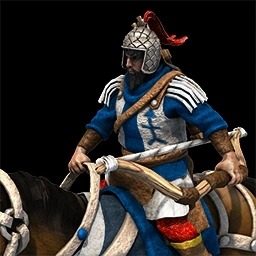
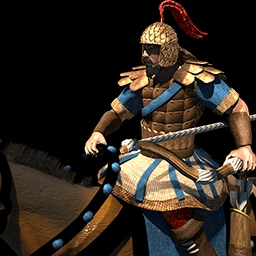
Overview
A mobile mounted archer that attacks while repositioning. In the current Definitive Edition roster, Mounted Crossbowmen replace Cavalry Archers for most European civilizations; other civilizations retain the Cavalry Archer line.
Availability and investment
Cavalry Archer becomes available in Castle Age. Its listed production context is Archery Range. The listed cost is 40 Wood, 60 Gold and the training time is 37 seconds. This tells you when it can first join an army and which resources must be reserved alongside Villager production, upgrades, and other military lines.
- Upgrade path: Cavalry Archer → Heavy Cavalry Archer (civilization availability varies)
- Upgrade path: Cavalry Archer → Heavy Cavalry Archer
Combat profile
The available combat values are included here so the numbers can be read as a profile rather than an isolated list. Hit points and armor describe how long the unit can remain exposed; attack and any bonus damage describe what it threatens; range, reload, accuracy, and movement describe how reliably it can engage or disengage. A value shown for a whole upgrade line applies to the listed stages as recorded, so compare the stage names instead of treating the line as one base unit.
- Ranged attack: 6
- Hit points: 50
- Melee armor: 0
- Pierce armor: 0
- Ranged attack: 6
- Range: 4
- Line of sight: 5
- Reload time: 2 seconds
- Movement speed: 1.4
- Accuracy: 50%
Field use
Preserve space between this unit and melee attackers so it can keep firing. Pair it with a screen, focus fire on reachable targets, and avoid letting a faster force surround it.
Armor classes and counters
Armor-class bonuses are separate from base attack and the target’s melee or pierce armor. The class list below shows the unit’s documented combat categories and bonus-damage relationships; use it to judge matchups instead of relying on the unit label alone.
- Armor class: Archer
- Armor class: Cavalry
- Armor class: Cavalry archer
- Cavalry Archer deals +2 bonus damage to units in the Spearman class
Related unit plan: Cavalry Archer kiting economy
Cavalry Archer: Cavalry Archers can harass slow melee units and relocate quickly, but they need numbers and regular micro to stay out of contact. Their cost makes the economy and the control loop part of the strategy Build a group before crossing the map, then fire while moving away from units that can reach them. Use open ground for retreat paths and focus on slow targets or exposed Villagers. Recheck the army between volleys so the group does not drift into a corner or defensive fire Skirmishers and fast cavalry can punish a poorly controlled group. Do not split a small force across too many targets or keep producing Cavalry Archers if the economy cannot support the required mass
Battlefield role and use
A mobile mounted archer that attacks while repositioning. In the current Definitive Edition roster, Mounted Crossbowmen replace Cavalry Archers for most European civilizations; other civilizations retain the Cavalry Archer line. Available in the Castle Age. Training cost: 40 Wood, 60 Gold. Training time: 37 seconds. Its upgrade path is Cavalry Archer → Heavy Cavalry Archer (civilization availability varies). Its ranged role lets it contribute before melee units connect, but the army needs a screen and enough space to keep firing while it withdraws.
Base unit statistics
- Age
- Castle Age
- Training time
- 37 seconds
- Ranged attack
- 6
- Range
- 4
- Reload time
- 2 seconds
- Movement speed
- 1.4
- Accuracy
- 50%
Base values before civilization bonuses or researched technologies.
- Also known as
- Cavalry Archer (Age of Empires II) · Cavalry archer
- Focus
- Mounted ranged
- Signature / category
- Archery Range
- Release / context
- Core roster
- Region
- Archery Range
- Classification
- Units
upgrade Line: Cavalry Archer → Heavy Cavalry Archer (civilization availability varies)
chronicles Upgrade Line: Cavalry Archer → Heavy Cavalry Archer