Fort Duquesne
1754 — The French seize Fort Prince George and establish Fort Duquesne at the site of modern Pittsburgh, just before the French and Indian War.
Setting & objective
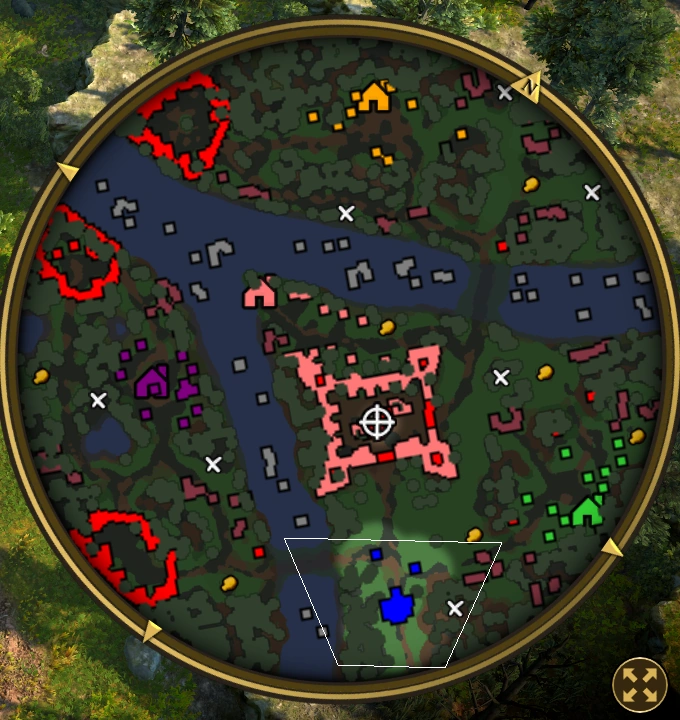
The required goals are Capture the British fort by defeating the garrison defending it; Defend the fortress against the British. Optional goals include Liberate the Shawnee from the British occupying forces; Liberate the Lenni Lenape from the British occupying forces; Liberate the Seneca from the British occupying forces.
How to approach it
Capture the British fort, then switch immediately to defense: the mission continues with British counterattacks after the garrison is defeated. Keep artillery and reinforcements inside a position that can protect the fortress. Liberate nearby Native allies when the route is clear, and save enough units to survive the final attack wave.
Capture the fort, then survive the counterattacks
Fort Duquesne is the fifth Historical Battle in Age of Empires III: Definitive Edition, set in 1754 at the beginning of the French and Indian War. Captain Claude-Pierre Pécaudy de Contrecœur leads New France against the British garrison at Fort Prince George. The player starts in the Fortress Age with 24 Veteran Skirmishers, six Veteran Cuirassiers, two Falconets and two Native Scouts. After the fort is captured, four Coureurs des Bois and resource stores arrive. The primary objectives are to defeat the garrison, take the fort and defend it against repeated British attacks. The British position contains 32 Veteran Musketeers, four Veteran Hussars, six Highlanders, two Barracks, two Stables, a Command Post, Artillery Foundry, Arsenal and Church. Use the Skirmishers to attack infantry while the Cuirassiers pressure exposed artillery or cavalry; keep the Falconets protected from Hussars and use them to weaken the garrison’s buildings. Do not spread the small starting force across all three allied settlements before the main fort is secure. Capturing the fort gives the player control of its buildings and provides a defensible base for the next phase. The scenario then sends British waves for twenty minutes, trying to destroy the Command Post. The enemy fields Musketeers, Hussars, Grenadiers and Falconets, so the defense needs anti-cavalry coverage and artillery protection. Repair the fortifications where possible, maintain production and keep a mobile force ready to respond to each attack. Home City cards such as resource crates, Coureurs, Skirmishers, Cuirassiers, cavalry combat and improved buildings can reinforce the defense. Protect the Command Post itself: clearing the first garrison does not complete the battle if the British destroy the objective structure during the defense period. Three allied Haudenosaunee communities can be liberated: Shawnee, Lenni Lenape and Seneca. Each has a settlement and troops that can support the French once freed. The Shawnee have Tomahawks, Aennas and Kanya Horsemen; the Lenape have Aennas and Forest Prowlers; the Seneca have Kanya Horsemen. Their Town Centers and other buildings provide local anchors, and liberating them also reduces British control of the map. Use the starting Native Scouts to locate the settlements and approach with enough force to defeat the occupying troops without losing the main defense group. The mission’s order is important: capture the British fort quickly, then convert its production and position into a sustained defense. The optional liberation objectives improve the player’s support network but should not leave the Command Post exposed. Fort Duquesne recreates the establishment of a French position near modern Pittsburgh; its victory condition is the successful defense after the capture, not simply occupying the fort.
Liberate allies without losing the fortress
The Shawnee, Lenni Lenape and Seneca objectives add troops and territory to the French side. Scout their locations, clear the British occupying force and leave enough defenders with each settlement to keep the route open. Kanya Horsemen and Aennas can reinforce the defense, while Forest Prowlers add ranged support. The liberated communities make the twenty-minute defense easier by giving the player more units and positions, but the British waves continue regardless. Keep the main army ready to protect the Command Post and avoid committing every Cuirassier to a distant liberation objective.
Prepare for waves after the capture
The British counterattack lasts twenty minutes after the fort changes hands. Keep the existing Barracks and Stables operating, use shipments to replace losses and repair defensive buildings when pressure eases. The objective is to preserve the Command Post until the scripted assault period ends.
Use shipments between attack waves
The scenario’s Home City deck includes resource crates and military reinforcements. Time deliveries between British waves so new units arrive before the next attack, and keep the Falconets behind the garrison rather than exposing them to Hussars.
Maintain an artillery screen
Falconets can clear British infantry and help destroy defensive buildings, but Hussars and other cavalry are the immediate threat to them. Keep Cuirassiers or other mobile troops close, and reposition the guns after each wave rather than leaving them isolated. The liberated communities can supply extra units, while the fort itself provides production and shelter. Use the twenty-minute defense window to replenish the army between attacks, then send a reserve toward any threatened allied settlement without emptying the Command Post’s defenses.
Keep the allied settlements connected
Scout between Shawnee, Lenni Lenape and Seneca territory so British troops cannot isolate one settlement while the main force is elsewhere. A connected line of allies provides safer reinforcement routes during the counterattack.
Prepare for the final attack wave
Keep a final reserve beside the Command Post until the British counterattack period is over; the last wave can arrive after the map seems quiet.
Capture Prince George and withstand the British counterattack
This Historical Battle recreates the French capture of British Fort Prince George and the establishment of Fort Duquesne on April 18, 1754, before the French and Indian War. The required plan has two phases: defeat the garrison to capture the fort, then defend it against the British. The Shawnee, Lenni Lenape and Seneca can each be liberated from British occupation as optional allies. Decide which nearby settlements can be freed before the defense begins, and leave enough troops at the captured fort to hold the next attack. Use the fort as the rally point for the defensive phase instead of chasing British units across the map. The scenario’s historical context explains why the fort is the objective: possession of the site anchors the French position at the meeting of key routes.