Sohei Naginata
Sohei Naginata is Heavy infantry in Age of Empires III, available from the Commerce Age; obtained through Trading Post or Tambo on a Zen Temple holy site, Native Embassy.
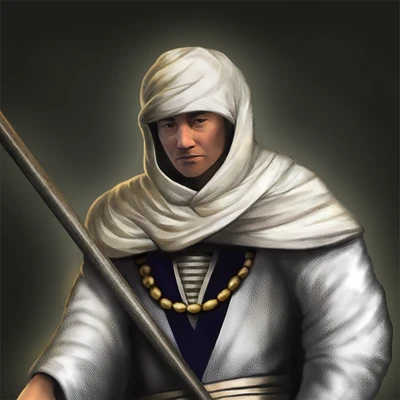
Recorded values
- Available
- Commerce Age · Trading Post or Tambo on a Zen Temple holy site; Native Embassy
- Training
- 30 sec · 10 XP per train
- Durability & mobility
- 140 hit points · 20% hand resistance · 5.25 speed · 12 line of sight
- Hand attack
- 13 damage · 1.5 attack interval · bonuses: 3.5x vs. Cavalry; 2.5x vs. Shock troops
- Siege attack
- 27 damage · 6 range · 3.0 attack interval
Role, availability & values
Production is available through Trading Post or Tambo on a Zen Temple holy site or Native Embassy. It has 140 hit points. It moves at 5.25 speed. Training costs 55 Food and 40 Wood; it takes 30 seconds to train. Attack profile: Hand attack deals 13 damage. Siege attack deals 27 damage. Hand attack bonuses: 3.5× against Cavalry and 2.5× against Shock troops.
Matchup & timing
Hand attack is especially effective against Cavalry (3.5×), Shock troops (2.5×). Hold the melee attack for Cavalry and Shock troops when they enter contact. Keep a frontline between this unit and threats that can reach it safely.
Native anti-Cavalry profile
The Sohei Naginata is a Commerce Age Japanese native Heavy Infantry unit recruited from a Trading Post or Tambo on a Zen Temple holy site, or through a Native Embassy where available. It costs 55 Food and 40 Wood, trains in 30 seconds and is limited to 16 per Zen Temple in Definitive Edition. It has 140 hit points, 20 percent hand resistance, speed 5.25 and sight 12. Its naginata attack deals 13 melee damage every 1.5 seconds, with 3.5 times damage against Cavalry and 2.5 times against Shock troops. Its siege attack deals 27 damage at range six every three seconds. The high anti-Cavalry multiplier makes it a useful Commerce Age screen for archers and Skirmishers, and the 20 percent hand resistance helps it survive melee contact. It does not have a ranged attack, so it must close the distance and is vulnerable to ranged counters during its approach.
Using Sohei alongside ranged units
Sohei Naginata function much like a Pikeman but bring a high base attack and a strong multiplier against both Cavalry and Shock troops. Use them in front of Archers or Skirmishers to discourage a mounted charge, and send them after Villagers only when the path is clear. Their speed of 5.25 supports raids better than many heavy Infantry, but it does not make them fast enough to escape every Cavalry unit. Light Infantry, counter-skirmishers and Artillery are listed counters; do not send Sohei alone through an enemy firing line. Their 27 siege damage gives them a meaningful structure attack once the defenders are removed. They can supplement standard Pikemen rather than replacing every anti-Cavalry option, especially when a population-free native body helps preserve army space.
Zen rank upgrades and availability
Zen Discipline Training upgrades Sohei Naginata to Disciplined with 25 percent more hit points and damage. It costs 100 Wood and 75 Coin in Definitive Edition, compared with 200 of each resource in earlier versions. Zen Honor Training requires Discipline and costs 400 Wood and 300 Coin, adding 35 percent in the current profile and 40 percent before Definitive Edition. Legendary Native Warriors or Exalted Natives supplies another 50 percent to native hit points and damage where available. The technology building depends on civilization: Europeans and Mexico generally use the Capitol, the United States uses the State Capitol, and Asian and Native American factions use a Town Center route. The unit cap also increased from 15 to 16 per Zen Temple in Definitive Edition, and its train time increased from 20 to 30 seconds. Protect the site if the army depends on a continuous supply.
Current name and older statistics
The unit was called Sohei before Definitive Edition, when the full name Sohei Naginata became standard. Its speed increased from 5.0 to 5.25 in Definitive Edition, while its siege damage changed from 38 to 27. This is a large enough difference that older advice about destroying buildings should not be applied without checking the version. Its base melee attack remains 13, with class multipliers of 3.5 against Cavalry and 2.5 against Shock troops. The native warrior tag and the Heavy Infantry tag both matter: native rank technologies can improve it, while enemy Light Infantry and anti-heavy-infantry units can punish it. When comparing it with European Pikemen, include the different resource mix, site limit, upgrades and population rules rather than comparing attack alone.
Battlefield role and counter response
Sohei Naginata are strongest when an opponent relies on Cavalry to reach the back line. Put them between enemy melee units and friendly ranged damage, then let their large multipliers punish a charge. If the enemy switches into Skirmishers or Artillery, withdraw the Sohei behind cover and use Cavalry or ranged support to remove those counters. Their 140 hit points and hand resistance cannot offset the damage they take while walking under fire. A group can also threaten buildings with its siege profile, but it should not be left unattended beside a Town Center. Native shipments and Home City cards can provide reinforcements, yet the local limit per Zen Temple still restricts continuous production. Their best value comes from protecting a mixed army and forcing the enemy to respect the cavalry counter.
Native cards and shipment access
The Sohei can also appear through Home City shipments and native warrior cards, depending on the civilization. These shipments can establish a small anti-Cavalry presence before a Zen Temple training queue is ready, but the local site remains important for continued production. Cards that improve native hit points or attack strengthen the Sohei’s ability to protect ranged units, while shipment cards provide timing flexibility. Check faction restrictions before planning a specific card, since Asian, European and Native American card pools are not identical. A shipment is most valuable when it arrives before the enemy’s Cavalry timing rather than after the main fight has already been decided.
Choosing between Sohei and other anti-Cavalry units
Sohei Naginata offer a high Cavalry multiplier and population-free native body, but they require a Zen Temple site or another eligible training route and cost both Food and Wood. A standard Pikeman may be easier to produce from a Barracks and can fit a different upgrade path. The Sohei’s speed 5.25 and hand resistance help it keep pace with ranged Infantry, while its 27 siege damage adds some building pressure. If the opponent fields Heavy Infantry, Light Infantry or Artillery, Sohei should not be the only response. Add units that can remove those counters and let the naginata group remain focused on cavalry and melee shock troops.
Managing the Zen Temple limit
Definitive Edition raised the Sohei limit from 15 to 16 per Zen Temple, while the train time increased from 20 to 30 seconds. A site can therefore support a slightly larger force but replenishes it more slowly at base speed. Secure multiple Zen Temples if the map supports a larger native army, or supplement the local queue with shipments. The unit’s lack of a ranged attack means each lost Sohei represents less protection for the back line until a replacement arrives. Keep the group near Archers or Skirmishers and avoid pursuing ranged units beyond their support.
Home City card synergies
The Sohei can benefit from shipments that grant Native warriors or improve their combat statistics. Cards such as Native Treaties or Native Alliance depend on the civilization and may ship a limited number when a Zen Temple Trading Post is available. Native Warrior Hitpoints and Native Warrior Attack style cards can improve the group, but some Asian factions are excluded from particular cards. This makes the actual faction card list important: the Sohei’s Japanese identity does not guarantee every generic Native warrior card is available. Use a shipment to cover an early Cavalry threat, then build the native rank upgrades if the unit remains central to the composition. A shipment provides immediate timing, while Discipline and Honor Training improve the ongoing force.
Protecting the archer line
The Sohei’s most reliable use is to stand close to friendly ranged units and meet Cavalry or Shock troops before they reach the back line. Its 3.5 Cavalry and 2.5 Shock troop multipliers make an enemy charge expensive, and its 20 percent hand resistance supports the close fight. Keep it near the units it protects instead of chasing targets across the map. If Light Infantry begins focusing the Sohei, use terrain or another unit to force the enemy to move; the Naginata has no ranged attack and cannot return fire while approaching. Once the ranged threat is removed, it can move into melee and use its 27 siege damage against a structure.
Native cost and battle timing
The Sohei’s 55 Food and 40 Wood cost and 30-second train time make it possible to add a small anti-Cavalry line without diverting all production into military buildings. However, the 16-unit cap per Zen Temple and lack of a ranged attack mean that each group needs an escort. Bring the Naginata to the front only when Cavalry or Shock troops can be engaged; otherwise preserve it behind the ranged line until the opponent commits.
A role that remains distinct after upgrades
Rank upgrades improve Sohei hit points and damage, but the unit remains a melee anti-Cavalry screen with no ranged attack. Its 3.5 multiplier against Cavalry and 2.5 against Shock troops remain the reasons to field it, while Light Infantry and Artillery remain dangerous. After upgrading, use the extra durability to keep it near the protected back line, not to send it through enemy fire. A modest group can protect Archers more efficiently than a large force that cannot reach its targets.
Japanese cavalry and Shock Infantry counter
Sohei Naginata are Japanese melee infantry suited to fighting Cavalry and Shock Infantry at close range. Their speed helps them protect archers and Skirmishers, respond to a flank or raid an exposed resource line. They are not a general-purpose answer to every infantry unit: Heavy Infantry and artillery are unfavorable targets. Keep them near ranged support, select the engagement and avoid letting them be kited away from the units they are protecting.
Use as a screen, not the whole army
Sohei Naginata can supplement other anti-Cavalry troops and create a fast defensive screen, but a force made entirely of melee infantry can struggle against ranged armies. Let them intercept units that reach the back line while archers and artillery deal damage from safety. Their access and upgrades are tied to the relevant Japanese options, so compare the actual cost and improvement path before committing. A protected Naginata group can also exploit an opening for a raid, but should retreat when Heavy Infantry or artillery arrives.