Ottoman strategy
Ottoman play centers on automatically produced Settlers and a distinctive combination of infantry, cavalry and artillery. Exact unit balance and build orders vary by patch, so this guide focuses on stable roster roles.
Civilization identity & tools
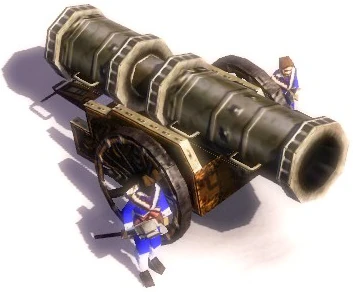
Yörüks are produced automatically by the Town Center, subject to a limit that can be increased through Mosque research. Janissaries provide a durable infantry presence, while Abus Guns and artillery can pressure enemy infantry or buildings when protected. Deli cavalry supports mobility and raiding; Great Bombards are powerful but require protection and an appropriate game version or scenario.
Matchups & timing
Keep an eye on the Yörük limit and research options, then decide whether the map calls for early pressure or a later artillery force. Escort expensive artillery against cavalry and use infantry to screen it from direct attacks.
Practical plan
Scout before choosing an artillery timing, and check the current release's unit availability and balance. The older Wiki strategy page itself flags pre-update material, so avoid treating its exact build timings as current.
Economy based on automatic Yörük production
The Ottomans begin with an unusual economy because Yörüks are produced automatically by the Town Center rather than trained through continuous Food expenditure. Mosque technologies increase the population cap and can shorten production time, allowing the Ottoman economy to grow while early resources go toward a Trading Post, House or military building. The cap progresses through several tiers, eventually reaching 99 in the cited profile. This automatic growth gives the Ottomans flexibility to spend early Food on age advancement or military units, but a destroyed Town Center interrupts the unique Settler stream. Protect the Town Center and research Mosque upgrades when the economy can afford them. The strategy guide’s build orders are from an older patch, so exact timing and costs should be checked against the game version; the underlying need to balance Yörük capacity, Coin and military production remains central.
Early artillery and infantry strengths
The Ottoman roster can field powerful Infantry and Artillery earlier than many civilizations. Janissaries serve as the core Musketeer-like Infantry and protect the back line from Cavalry. Abus Gunners provide ranged anti-Infantry pressure and deal siege damage, which can also threaten Artillery that lacks siege resistance. Humbaracis add explosive siege power against buildings and guns, while Great Bombards provide exceptionally heavy fire in later stages. This combination can create an early timing attack, but it is costly in Coin and population. Keep Janissaries or other anti-Cavalry units in front of the guns, and use Culverins when the opponent fields protected Artillery. A force composed only of guns can be overwhelmed by Cavalry.
Cavalry, heroes and support options
Deli and Cavalry Archers provide mobile support, while Sipahi arrive through Home City shipments and improve automatically as the game advances. Sipahi can heal over time and function as a powerful heavy Cavalry option, but their availability is limited by shipment timing. The Explorer’s regeneration and hero bonuses can help with early raids or treasure control. Native alliances and Mercenaries add further options, but should not distract from protecting the artillery core. If an enemy uses Cavalry to bypass Janissaries, keep Deli or Cavalry Archers on the flanks and use the Explorer’s abilities to support the defense.
Army composition and counter risks
A balanced Ottoman army usually combines Janissaries or Azaps with Abus Gunners and Artillery. Janissaries absorb Cavalry pressure; Abus Gunners and guns punish enemy Infantry; Culverins answer opposing Artillery. Deli or other Cavalry can raid and chase guns that move out of position. The Ottoman weakness is that much of this roster costs Coin, and Artillery consumes substantial population. A Coin mine denial can slow production, while a fast Cavalry army can exploit gaps in the gun screen. Build Outposts to secure resource routes, maintain enough anti-Cavalry units and avoid allowing a small number of expensive Artillery units to become the whole army.
Early pressure and Outpost placement
The older Ottoman rush described in the source begins with a Mosque and House, sends early Yörük and economic shipments, then advances with an Outpost Wagon and Coin. The Outpost is placed near the center of the map to control space and provide a forward gathering point. A shipment of Janissaries and the Explorer can then pressure an opponent before their army is ready. This approach depends on older card names and balance values, and should be treated as a strategic pattern rather than a current exact build order: establish a forward position, use a military shipment for early pressure and keep the Yörük economy growing behind it. Do not send Yörüks into a Town Center without scouting enemy defenders.
Home City card combinations
Ottoman decks can specialize around Infantry, Artillery or Mosque technologies. Cebeci improves Abus Gunners and grenade troopers’ hit points; Topçular improves Artillery and related units; Enderun School strengthens Janissaries, Azaps and Nizam Fusiliers. Matrakci School reduces training time for core Infantry and Shock troops, helping the Ottoman player replace units during a sustained push. Mosque Construction discounts a range of Mosque technologies, while Palace Intrigue unlocks additional military technologies and shipments. These cards are most effective when they support a coherent army plan. Pair Artillery upgrades with Janissaries and anti-Artillery support, or combine Infantry upgrades with a smaller gun group. Card values and unit names have changed across patches, so check the current description before relying on a precise bonus.
Balancing population and production
Ottoman automatic Yörük production can eventually fill the population cap, especially in long games. The player can halt production in Definitive Edition, which makes it easier to preserve room for Artillery and military units. Before that change, the strategy guide recommends periodically removing Yörüks to create population space, and notes that some players avoid the final Mosque cap upgrade. In current play, plan population before reaching the limit: stop or manage Settler production, then reserve space for Great Bombards, Abus Gunners and Cavalry. Keep a steady Coin income because many Ottoman military units use it. Factories, Mines, Trading Posts and shipments can each support this demand, but a single denied Coin source can disrupt the entire army plan.
Version note for the strategy guide
The source strategy page explicitly says its tips mostly describe the Ottomans before update 13.27885 and may need cleanup. Older build orders, card names, costs and unit roles should therefore be treated as historical guidance rather than guaranteed current instructions. Later updates changed unit tags, shipment effects and population management. The durable principles are to exploit automatic Yörük growth, build a balanced Infantry-Artillery force, protect Coin access and keep anti-Cavalry units in front of the guns. Before using a specific sequence, verify the current in-game card and technology text for the edition being played.
Responding to Cavalry pressure
Cavalry is the most dangerous way to break an Ottoman artillery line. Janissaries should remain close enough to protect Abus Gunners, Humbaracis and Great Bombards, while Deli or Cavalry Archers can pursue guns that threaten the formation. Do not advance the Artillery faster than the screen can protect it. If the enemy fields heavy Cavalry, add anti-Cavalry Infantry and use Outposts to cover the retreat path. If the enemy brings Light Infantry, Abus Gunners and Artillery can punish the formation, but the Ottoman player must prevent the Cavalry flank from reaching those units.
Map control and Coin security
Ottoman armies rely heavily on Coin, so protect mines and Trading Posts before committing to repeated Abus Gunner or Artillery production. The automatic Yörük economy lets the player direct early resources toward wood and military production, but it does not generate Coin by itself. Use Outposts to secure central routes, place a Town Center near safe resources and contest mines before the opponent controls them. A lost Coin source can stall reinforcements even while Yörüks continue to appear. Keep a flexible shipment ready for units or resources that address the current bottleneck.
Use Mosque cards to match the army plan
Mosque Construction and the technology-focused cards are most useful when the player has chosen a direction. An Infantry plan benefits from Janissary and Azap health, attack and training-time improvements; an Artillery plan gains more from Abus Gunner and Artillery bonuses. Palace Intrigue can unlock several military technologies, but sending it without enough resources to research them delays the army. Keep one or two anti-Cavalry units in every composition, even when the main pressure comes from Great Bombards or Humbaracis. The Ottoman army wins by protecting expensive units long enough for them to deal damage.
Industrial and Imperial transition
As the Ottomans advance, preserve the Infantry-Artillery relationship rather than relying on age upgrades alone. Great Bombards and Humbaracis need protection from Cavalry, while Janissaries and Nizam Fusiliers can anchor the front. Mosque technologies and Home City cards may improve later-age shipments, but the resource cost is high. Secure Coin, manage the Yörük population cap and use Culverins to stop an opponent’s guns before committing the Great Bombards.
Protect the forward position
An Outpost near the center of the map can secure a mine, control a route and support an early attack, but it must be backed by Janissaries or another anti-Cavalry unit. Keep the Explorer and military shipment close enough to defend it. If the opponent commits to a counterattack, fall back toward the Town Center rather than sacrificing the artillery before it is ready.
Use the automatic economy to free attention
Ottoman Settlers train automatically at the Town Center, which reduces manual worker queue management but does not remove the need to protect the economy. Keep housing available and improve the Mosque when the expected return justifies its resource cost. The freed attention can go toward scouting, treasures, Trading Posts and timing the first military shipment. Against early pressure, build the appropriate production and defense before investing heavily in long-term upgrades. Automatic production continues only while the Town Center and population conditions allow it, so check that the worker stream has not stopped.
Choose a composition with counters in mind
Janissaries can screen the Ottoman ranged units and artillery, while Abus Guns, Sipahi and artillery provide specialized damage. Scout whether the opponent is producing cavalry, ranged infantry or buildings, then select units that answer the actual threat. A force of Janissaries alone may struggle against artillery; guns without a screen can be overrun by cavalry. Ottoman artillery creates powerful pressure in the right timing, but the economy must gather its required resources and keep reinforcements coming. Use the Home City shipment queue to support a clear objective—defend, age or push—rather than sending cards without a follow-up plan.
Coordinate Mosque upgrades with the army queue
Automatic Settler production lets Ottoman players spend more attention on scouting and unit control, but Mosque research still competes with resources for production. Prioritize upgrades when the expected economic gain can repay its cost, and protect the Town Center while the worker stream develops. A military shipment or early Janissary batch can be more urgent against pressure; against a passive opponent, an economic improvement may create a stronger later force. Keep track of population because automatic Settlers still occupy capacity, and build housing before a queue or shipment becomes blocked.
Use artillery behind a protected screen
Ottoman artillery and Abus Guns can punish infantry or buildings, but they need a screen. Janissaries can hold enemy Cavalry away from vulnerable guns, while Sipahi or other mobile units can threaten targets that try to flank. Scout for anti-artillery units and cavalry before committing to a siege position. If the opponent fields heavy ranged infantry, use the artillery timing to force a response while continuing to replace frontline losses. Avoid sending guns ahead of their escorts or relying on a shipment as the only source of replacements; keep the appropriate production building active.