Manchu
Manchu is ranged cavalry in Age of Empires III, available from the Fortress Age; obtained through Tavern (Europeans), Monastery (Asians), Saloon (Federal Americans), Palace (Africans), Lombard (Italians).
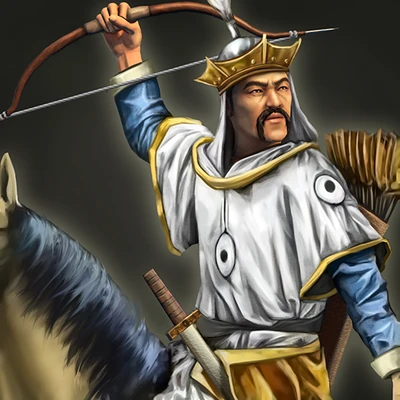
Recorded values
- Cost
- 220 Coin
- Available
- Fortress Age · Tavern (Europeans) ; Monastery (Asians) ; Saloon (Federal Americans) ; Palace (Africans) ; Lombard (Italians)
- Training
- 42 sec · 2 population · 22 XP per train
- Durability & mobility
- 400 hit points · 40% hand resistance · 7.25 speed · 14 line of sight
- Hand attack
- 14 damage · 1.5 attack interval · bonuses: 2.5x vs. Heavy cavalry; 2.0x vs. Hand shock trooper; 2.0x vs. Artillery
- Ranged attack
- 27 damage · 12 range · 1.5 attack interval · bonuses: 2.5x vs. Heavy cavalry; 2.0x vs. Hand shock trooper; 2.0x vs. Artillery; 0.5x vs. Villager
- Siege attack
- 11 damage · 6 range · 3.0 attack interval
Role, availability & values
Production is available through Tavern (Europeans), Monastery (Asians), Saloon (Federal Americans), Palace (Africans), or Lombard (Italians). It has 400 hit points. It moves at 7.25 speed and uses 2 population. Training costs 220 Coin; it takes 42 seconds to train. Attack profile: Hand attack deals 14 damage. Ranged attack deals 27 damage. Siege attack deals 11 damage. Hand attack bonuses: 2.5× against Heavy cavalry, 2.0× against Hand shock trooper, and 2.0× against Artillery. Ranged attack bonuses: 2.5× against Heavy cavalry, 2.0× against Hand shock trooper, 2.0× against Artillery, and 0.5× against Villager.
Matchup & timing
Manchu are trainable Fortress Age ranged cavalry, recruited from civilization-appropriate sites such as a Tavern, Monastery, Saloon, Palace or Lombard. They cost 220 Coin, use two population and take 42 seconds to train. Their 27-damage ranged attack carries 2.5× damage against Heavy Cavalry and 2× against Hand shock troops and Artillery, but only 0.5× against Villagers; use them to answer those military units rather than raid workers. A 7.25 speed lets them reposition, while 400 hit points and 40% hand resistance help them survive brief contact. Keep them at range and protect them from counter-cavalry that can pin a retreat.
Fortress Age mounted archer profile
The Manchu is a Fortress Age Mercenary mounted Archer with a profile built around durability and anti-Cavalry damage. It costs 220 Coin, takes 42 seconds to train and uses only two population, matching the population footprint of a standard Cavalry Archer. It has 400 hit points, 40% hand resistance, speed 7.25 and line of sight 14. Its ranged attack deals 27 damage at range 12 every 1.5 seconds. The hand attack is 14, with bonuses against Heavy Cavalry, Hand Shock troops and Artillery. Those numbers make it a durable skirmishing cavalry unit that can pressure mounted targets without the intensive kiting required by more fragile ranged Cavalry.
Anti-Cavalry role and target selection
The ranged attack deals 2.5× against Heavy Cavalry, 2.0× against Hand Shock troops and Artillery, and only 0.5× against Villagers. The hand attack uses the same 2.5× Heavy Cavalry and 2.0× bonuses against Hand Shock troops and Artillery. This broad anti-Cavalry profile explains why the Manchu can fill a gap for civilizations that cannot easily mass dedicated anti-Cavalry units. Keep them at a distance when possible, but their 40% hand resistance and strong melee hit points mean they are less dependent on perfect kiting than ordinary Cavalry Archers. Avoid sending them to raid workers: the 0.5× Villager multiplier makes that an inefficient use of the force.
Why Chinese armies value them
Chinese players can use Manchu to address a composition problem: their regular mass-production options may be limited in dedicated anti-Cavalry power, and the Manchu can be trained from the Monastery after sending Atonement if the map makes it available. Because the unit uses two population, it does not consume the extra army space typical of many mercenaries. That makes it practical even in a late game with a crowded population cap. Its 220 Coin price is still a significant investment, and production is limited by the available mercenary pool, so it should supplement a Chinese army rather than replace its normal Banner Armies and ranged units.
Recruitment routes and civilization access
The available building depends on civilization: Europeans use a Tavern, Asian civilizations a Monastery, Federal Americans a Saloon, Africans a Palace, and Italians a Lombard. Access is map-dependent, because the building must offer Manchu in its mercenary roster. Germans can train them from Battleships after sending Adler von Lübeck if they are available in the Tavern. The United States can receive them in the random mercenary pool from Poker, which can also enable them at Saloons. These routes are separate from the Chinese Atonement shipment and the unit's ordinary mercenary building access.
Positioning against counters
The Manchu's speed 7.25 gives it room to rotate between flanks, but its ranged attack has range 12, shorter than many foot archers. Use its mobility to choose targets and avoid walking directly into concentrated Light Infantry fire. Artillery can also punish cavalry that stays in one place, while its lower damage against Villagers discourages prolonged raids. A small group can deter Heavy Cavalry and punish artillery, but it should not be left alone against a full mixed army. Pair it with units that hold enemy Skirmishers and protect the approach, then focus the Manchu fire on the mounted threat it is designed to counter.
Mercenary cost and map availability
Unlike many high-population mercenaries, the Manchu's two-population use preserves room for other units, which can be especially useful near the population cap. Its cost is paid entirely in Coin, however, and the 42-second training time means it is not an instant response unless a Home City shipment or special route is already prepared. The Chinese treasure pool on maps such as Mongolia can offer access through treasure rewards in some scenarios, while ordinary recruitment depends on the map's Tavern, Monastery or Saloon roster. Confirm availability before planning a composition around the unit.
Compare it with ordinary Cavalry Archers
The Manchu's higher hit points and 40% hand resistance distinguish it from a standard Cavalry Archer. It can keep fighting when an enemy cavalry unit closes, while its 27 ranged damage and 1.5-second firing cycle maintain pressure from range. The tradeoff is mercenary access and a Coin-only purchase: a Chinese player may need the right Monastery card or map pool, while standard units can be produced through the normal army system. Since it uses two population, it is unusually easy to fit into a full late-game army. Use that advantage to add a specialist without removing several other units, but do not assume the low population cost makes it cheap in resources or instantly replaceable.
Protect it from ranged counters
The Manchu is robust against hand attacks, but its 40% hand resistance does not make it invulnerable to concentrated ranged damage. Light Infantry can pressure it from outside its 12 range, and Artillery can punish a stationary group. Keep the Manchu moving between firing positions and use friendly Infantry to draw fire. It is particularly useful when the enemy's answer to your army is Heavy Cavalry; if the opponent switches to Skirmishers or guns, add a counter rather than continuing to invest in Manchu. A small group that survives through the transition can deter further cavalry production while the rest of the army changes composition.
Mercenary improvements and campaign-era notes
Mercenary upgrades and Home City support can further improve the unit, but access varies by civilization and game mode. Check the available cards before committing to a long-term Manchu force; some cards improve cavalry broadly, while others only affect a particular civilization's standard units. In the original game, the unit's role is described as a mercenary Cavalry Archer; its Definitive Edition profile retains that mounted ranged identity. German Adler von Lübeck and United States Poker provide unusual routes to train or ship Manchu, while Chinese Atonement is the direct Monastery route. Those methods do not make the Manchu a universal Chinese unit outside the relevant card or mercenary-pool conditions.
Protect production access
Because the Manchu is not guaranteed in every mercenary pool, keep its Tavern, Monastery or Saloon route secure once it is found. The Chinese Atonement route makes repeat production more predictable, while special shipments can offer access under specific civilization rules. Preserve the unit as a two-population anti-Cavalry support force and replace it only when the map and enemy composition still justify the Coin cost.
Mercenary Cavalry Archer with anti-Cavalry value
The Manchu is a mercenary version of the Cavalry Archer, combining ranged attacks with the mobility to keep distance from infantry. Its high firing rate, health and melee protection make it effective against Cavalry without requiring constant kiting. This makes Manchus useful for screening artillery and ranged infantry, chasing enemy mounted troops and responding to raids. They are not a substitute for a front line against every unit type; use their own profile and bonuses rather than assuming all Cavalry Archers share the same durability.
Population efficiency and mercenary timing
Unlike many mercenaries, the Manchu uses the same population space as its standard unit counterpart in the documented profile. Its access still depends on the relevant shipment or mercenary option, and its high cost can reduce the number of other units in the army. Add Manchus when the opponent’s cavalry makes their counter role valuable, then support them with infantry or artillery against threats they cannot handle efficiently. Scout for light infantry and defensive structures before sending them on a raid.