Chinese
The Chinese are an Asian civilization from The Asian Dynasties whose military is organized into Banner Armies and whose age advancement uses Wonders. Instead of selecting every military unit independently at a standard production building, the player chooses among bundled formations at the War Academy. Villages combine housing with livestock functions, giving the economy a distinctive building and animal-management layer.
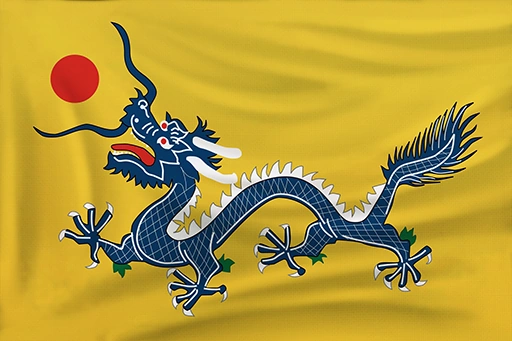
Economy & identity
A Banner Army contains a preset mixture of unit types, so one order can reinforce several battlefield roles while also limiting the player’s ability to queue only one component. Read the formation before spending resources, then use the War Academy to choose a banner that fits the current army. When advancing Ages, each Wonder provides its own reward, making the age-up choice part of the strategic plan. The Consulate adds a separate diplomatic route for foreign companies, paid for through Export.
Military & matchups
Choose a banner whose components answer the immediate need, and add another source of units if the opponent is targeting one part of the formation. Protect Villages and use their livestock features as part of the economy instead of treating them as ordinary Houses. Select a Wonder for the upcoming timing, and decide whether the Consulate’s foreign roster is worth the Export investment.
Practical direction
Choose a Wonder for the timing it enables and inspect the full Banner Army composition before committing resources.
Banner armies and the War Academy
Chinese units are trained in predetermined Banner armies rather than a queue of one unit type at a time. The War Academy combines Barracks and Stable functions and produces mixed groups with fixed compositions. This creates a distinctive production decision: choose a banner that supplies the roles the army needs, then supplement it with other banners or shipments when the opponent changes composition. A group may contain useful counters together, but it also means the player cannot always order only the one unit currently missing. Keep enough resources for the full banner and consider its population cost before committing. Banners train relatively quickly, while their units are generally weaker individually than comparable units from other civilizations. Their value comes from the combined roster and rapid reinforcement, not from assuming each unit wins a direct one-on-one fight.
Villages, population and long-term economy
Chinese Villages support 20 population each, and improvements at the building can increase that capacity. They also fatten livestock more quickly and can train Goats, adding economic utility beyond housing. The civilization has a population cap of 220 in the source profile, so Village placement and upgrades matter as the army grows. Rice Paddies offer an infinite but slower source of Food or Coin with a limit of ten gatherers; they are valuable when nearby hunts or mines are depleted or unsafe. Chinese Villagers also gather Export while collecting ordinary resources. Export funds the Consulate, where the player can ally with a European power and obtain units or technologies. This creates a resource choice: invest in an alliance benefit, or use the ordinary economy to expand the army and advance. Keep the Consulate plan aligned with the selected ally and the army’s needs.
Wonders shape each Age
Chinese Wonders provide different forms of support and are the civilization’s Age-up mechanism. The Porcelain Tower generates configurable resources, the Summer Palace produces Banner armies, and the Temple of Heaven can use Transcendence to heal friendly units. The Confucian Academy generates Flying Crow artillery, while the White Pagoda improves the Shaolin Master and Disciple. These benefits reward choosing a Wonder for the next phase rather than treating every Age advance as identical. Economic generation is useful when the match will continue long enough to repay the investment; military or artillery output can support a timing attack; healing can preserve an army that is already in the field. The Wonder also occupies a location and can become a target, so select a site that is protected and useful. Exact output and options vary by Wonder and release, so its own page should be checked for current values.
A roster with dedicated counters
The Chinese roster is unusually broad. Chu Ko Nu deliver rapid crossbow volleys against infantry, but need protection because they are fragile. Qiang Pikemen and Changdao Swordsmen supply hand infantry and anti-cavalry roles; Arquebusiers provide a ranged infantry answer to infantry, while Flamethrowers attack at short range and are especially dangerous against units that close on them. Cavalry includes Steppe Riders for raiding, Keshiks for ranged cavalry pressure, and Iron Flails or Meteor Hammers for heavier engagements and targets such as artillery. Flying Crows provide heavy artillery, and Hand Mortars can contest enemy artillery in groups. No single banner covers every matchup, which makes scouting valuable before spending on the next production cycle. Combine ranged damage with a screen and keep fast raiders away from the main force’s exposed flank.
The Consulate and allied units
The Consulate spends Export to establish relations with a European civilization and access its units, technologies and alliance bonus. Export accumulates alongside ordinary gathering, so the player can choose when to convert that steady income into a military or economic effect. An alliance should complement the Chinese roster rather than duplicate it. Select units that answer a specific gap, or technologies that improve the plan already chosen. Because the Consulate’s options are tied to the selected European power, do not assume one ally grants the same tools as another. Export also competes with the opportunity to preserve a broad resource balance; spend it when the immediate benefit is worth delaying another alliance purchase. The Consulate’s units can expand tactical options, but the War Academy and Chinese Wonders remain central to the core army.
Defensive buildings and campaign context
The Chinese Castle can defend an area and train or upgrade artillery, giving it a different function from an ordinary static defense. Use it to protect an important route or support an artillery position, not as a replacement for the mobile army. The Monastery trains repentant outlaws and mercenaries and improves the Shaolin Master, while the War Academy handles regular banner production. Chinese content entered the series as a playable civilization in The Asian Dynasties and remains in Definitive Edition; its Home City could not originally be customized, with that feature arriving in a later Definitive Edition update. The dedicated China campaign uses scenario objectives and sometimes assigned forces, which should be distinguished from standard multiplayer availability.
Choosing a banner for the opponent
Banner selection should answer a known need. If the opponent is relying on infantry, Chu Ko Nu and Arquebusiers can add ranged pressure, while Flamethrowers punish units that close. If cavalry is the danger, include Qiang Pikemen or Changdao Swordsmen and keep them between the ranged units and the charge. If artillery dominates, consider a cavalry approach or a Hand Mortar group rather than sending fragile infantry into repeated volleys. The exact banner compositions are set by the War Academy, so examine the units that will arrive before selecting it. A banner can include useful secondary troops, but the main investment should be aimed at the matchup. Once the opponent responds, change banners and use shipments or allied Consulate units to fill gaps instead of repeating the same mixed group.
Disciples, Shaolin Master and exploration
The Shaolin Master is a hero and religious leader who explores, fights, builds Town Centers and Trading Posts, trains Disciples and can stun Treasure Guardians. Its critical strike chance gives it a combat role, but the hero is most useful when exploration and settlement work continue alongside fighting. Disciples are support units with favorable matchups against skirmishers, mercenaries and artillery, though they should not replace the main banner army. Use the Master to secure treasures and scout a route, then place construction where it supports the next settlement. The White Pagoda improves the Shaolin Master and Disciples, making that Wonder relevant when these units are an important part of the plan. Protect the hero rather than sending it alone into a defended army.
Managing Export across the match
Export grows as Chinese Villagers gather, so the Consulate purchase schedule is linked to the ordinary economy. Saving Export makes a larger allied purchase possible, while spending it early can unlock a unit or technology that changes the next battle. Since the Consulate offers distinct European relations, check their full roster before choosing. A European unit may cover a weakness in the current banner composition; a technology may improve a force that is already trained. Neither option replaces the Chinese production cycle. Keep the War Academy active, continue gathering ordinary resources and treat Export as a second reserve with a planned purpose.
Land and water production
Chinese Castles can support artillery production and upgrading, while War Junks, Fire Junks and Fuchuans cover different naval roles. Choose the building or ship for the map and keep it protected while its production is underway.
Protect the Banner Army
Keep the War Academy’s mixed reinforcements together with the core force so each banner arrives with its supporting units. Use the Castle or Village line to protect the route while the army regroups.
Worker, livestock and building economy
Chinese Villagers produce Export while gathering ordinary resources, which gives the Consulate a second income stream without replacing Food, Wood or Coin. Villages cost 180 Wood, support 20 population, and can hold Villagers and selected support units; they also fatten livestock faster and train Goats. Up to six Villages can be built in the recorded profile, so housing expansion has a finite building cap. Rice Paddies cost 400 Wood and provide an infinite source of Food or Coin with up to ten gatherers. Their larger investment pays off when hunts or mines become unsafe or depleted, but early construction can delay a War Academy, Village or Wonder. Balance the slower dependable income with nearby natural resources and the unit batches the army needs.
Sequence the Consulate and War Academy
The Consulate costs 200 Wood and takes 50 seconds to build; it lets China choose a European ally, spend Export on units and technologies, and adjust the Export gathering rate. Its value depends on the allied roster, so inspect the available units before committing Export. A Consulate choice should fill a gap the Banner Army does not already cover—for example, a missing unit role or a technology that improves a line the army will use. Keep the War Academy active as the primary military queue and remember that Banner Armies are fixed mixed formations. Export accumulates over time, while the War Academy needs ordinary resources. Plan those two budgets separately so that an alliance purchase does not leave the next banner or age-up unaffordable.
Use Wonders to set the next phase
Chinese age advancement asks the player to choose a Wonder with its own reward, so the age-up is also a production or economy decision. The Porcelain Tower generates a selected resource, the Summer Palace provides Banner Army support, and the Confucian Academy grants Flying Crow artillery. The Temple of Heaven can support healing through Transcendence, while the White Pagoda improves the Shaolin Master and Disciples. Match the Wonder to the army already being built and the map position that can be defended. A military reward creates the most value when the army can use it immediately; a resource stream is more useful when the match will last long enough to repay construction. Keep the selected Wonder and Consulate ally in view as a combined plan, rather than choosing each in isolation.